Spice Sequencing: The Professional Blender's Secret to Deeply Complex Chai
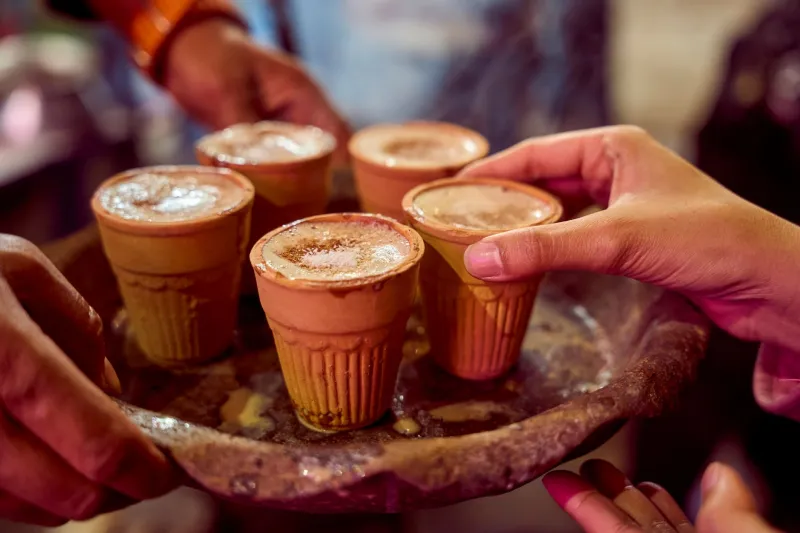
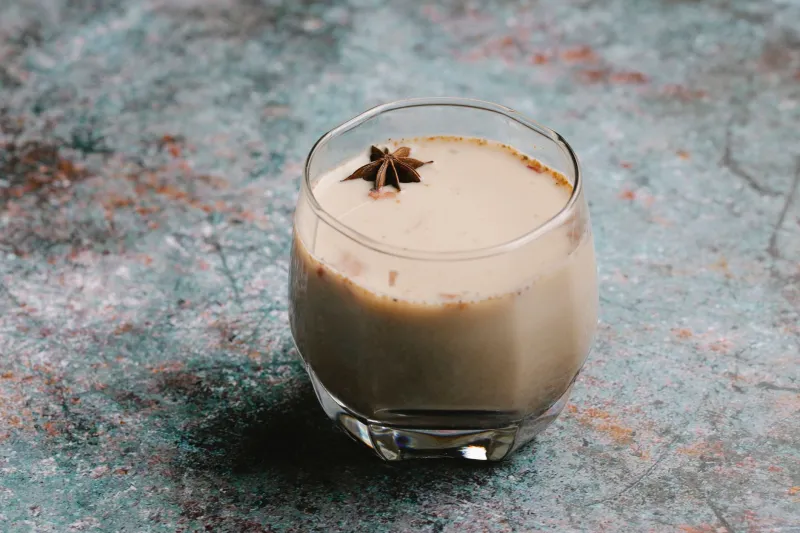
Most of us learned to make chai the fast way. Dump everything in the pot, simmer for a few minutes, strain, done. And honestly? That version is still pretty good. But if you've ever sipped a cup from a specialty tea blender — the kind of person who sources single-origin cardamom and talks about volatile compounds like a chemist — you know there's another level entirely.
The difference usually isn't the ingredients. It's the sequence.
Professional blenders call it spice layering, and once you understand the logic behind it, you'll never look at your spice rack the same way again.
Why Timing Actually Matters
Every spice in your chai carries a different chemical profile. Some are loaded with fat-soluble aromatic compounds that need heat and a carrier oil (or fat from milk) to fully release. Others are water-soluble and bloom quickly in hot liquid. A few are so volatile that adding them too early means most of their flavor literally evaporates before it ever reaches your cup.
Cinnamaldehyde, the compound responsible for cinnamon's warmth, is relatively stable under heat — it can handle a long simmer. But the linalool in cardamom? That's a delicate aromatic that dissipates fast. Toss your cardamom in at the very beginning and you're basically just decorating your pot.
"People think more time equals more flavor," says Priya Nair, a chai blender based in Portland who supplies loose-leaf blends to specialty tea shops across the Pacific Northwest. "But with aromatics, more time often means less flavor. You're cooking off the most interesting stuff."
This is the core principle behind layering: match each spice's behavior to the right moment in your cooking process.
The Three-Stage Framework
Think of your chai preparation in three distinct windows — the foundation, the body, and the finish. Each stage calls for a different category of spice.
Stage One: The Foundation (The Bloom)
This is where your warming, structural spices go in — the ones with robust, heat-stable compounds that actually improve with extended cooking.
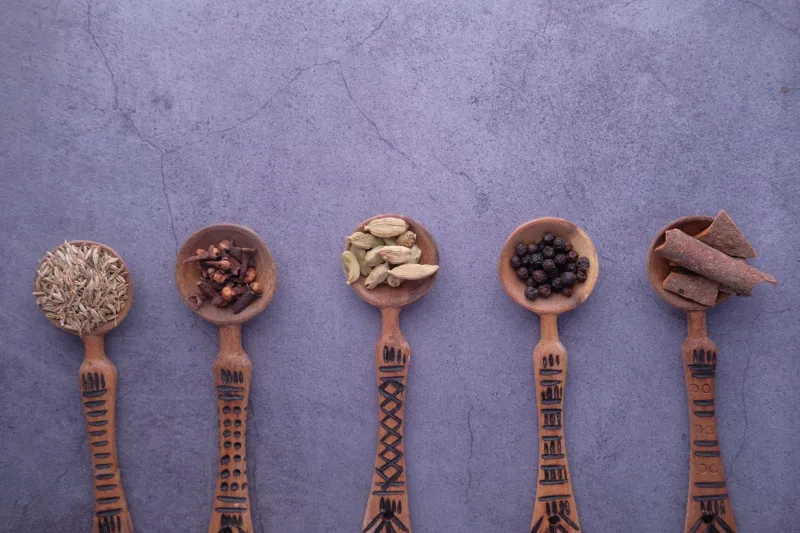
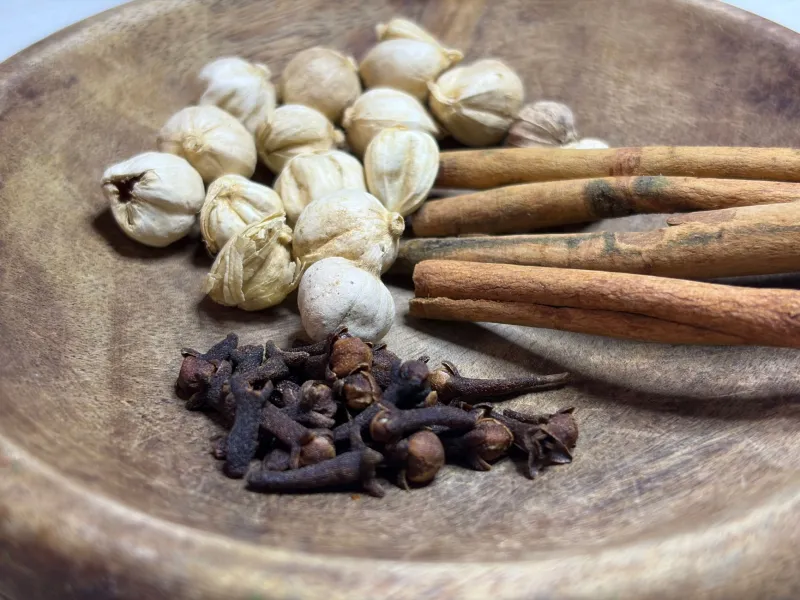
What belongs here: Whole cinnamon sticks, whole cloves, black peppercorns, dried ginger, and star anise.
How to do it: Before you add any liquid, heat your pot dry over medium heat for about 30 seconds. Then add a small splash of water — just enough to cover the bottom — and drop in your whole spices. Let them toast lightly for 60 to 90 seconds, stirring constantly. You're looking for a fragrant release, not browning. This dry-bloom technique wakes up the fat-soluble resins inside whole spices and gives your chai a deeper, almost roasted base note.
Once you smell that warm, toasty aroma, add the rest of your water and bring it to a gentle simmer. Let these foundation spices ride for at least 10 minutes before moving to stage two.
Stage Two: The Body (Crushed Spices and Tea)
Now you're building the middle layer — the part of the flavor profile that bridges the deep base notes with the bright top notes you'll add later.
What belongs here: Your black tea (loose-leaf Assam or Darjeeling are classics), lightly crushed cardamom pods, and fennel seeds if you use them.
How to do it: Lightly crack your cardamom pods using the flat side of a knife — you want them open but not pulverized. The goal is controlled release. Add your tea and cracked cardamom to the simmering water and let everything steep together for 3 to 4 minutes. Don't rush this. The tannins from the tea need time to integrate with the spice compounds already in the water, and that integration is what gives a well-made chai its satisfying body.
"Cardamom is interesting because it sits right in the middle of the flavor spectrum," explains Marcus Webb, a tea blender in Austin who runs a small-batch chai subscription service. "It's got both warming and floral qualities. Crushing it lightly lets you get both — the warming hits early, the floral comes in later."
Stage Three: The Finish (Volatile Aromatics)
This is the stage most home brewers skip entirely, and it's where so much potential flavor gets left on the table.
What belongs here: Freshly ground cardamom (yes, in addition to the cracked pods from stage two), a tiny pinch of saffron, nutmeg, and rose water if you're feeling adventurous.
How to do it: Add your milk at the end of stage two and bring the chai back up to a near-simmer. Right before you turn off the heat — we're talking the last 30 to 60 seconds — add your volatile aromatics. Freshly ground cardamom added at this point contributes a bright, floral top note that's completely different from the deeper warmth of the cracked pods you added earlier. A tiny grating of fresh nutmeg does something similar.
This dual-cardamom approach is actually a classic technique used by professional blenders. Same spice, two different preparations, two completely different flavor contributions.
Building Your Layering Toolkit
You don't need fancy equipment to pull this off, but a few tools make the process easier:
- A mortar and pestle — for cracking and grinding spices to different textures
- A small fine-mesh strainer — essential for clean pouring
- A heavy-bottomed saucepan — distributes heat evenly and prevents scorching
- A spice grinder (a dedicated coffee grinder works great) — for freshly ground aromatics
- A kitchen scale — measuring by weight rather than volume gives you more consistency when you're experimenting
Experimenting With Your Own Sequence
Once you understand the logic, you can start customizing. Love a really floral chai? Double down on the stage-three cardamom and skip the cloves entirely. Prefer something deeper and smokier? Extend your stage-one bloom and try adding a small piece of black cardamom (different from green cardamom — it's got a camphor-like, almost smoky quality) to your foundation.
Marcus Webb suggests keeping a simple brew journal when you're experimenting. "Write down exactly what you did — amounts, timing, sequence — so when you nail it, you can actually repeat it," he says. "The number of people who make a perfect cup by accident and then can never recreate it is honestly heartbreaking."
Priya Nair's advice is even simpler: taste as you go. "Your palate is the best tool you have. Taste the water after the foundation stage. Taste it again after the tea. You'll start to understand what each stage is actually contributing, and that's when you really start blending."
The Payoff
Yes, this takes longer than your usual 10-minute chai. We're talking closer to 20 to 25 minutes from start to cup. But the difference in the final product is genuinely striking — a depth and complexity that unfolds as you drink it, where the first sip hits differently than the last.
That's the whole point of layering. It's not just about adding more spices. It's about building a conversation between them, one stage at a time.