Maple, Bourbon, and Masala: Meet the American Chai Makers Rewriting the Recipe
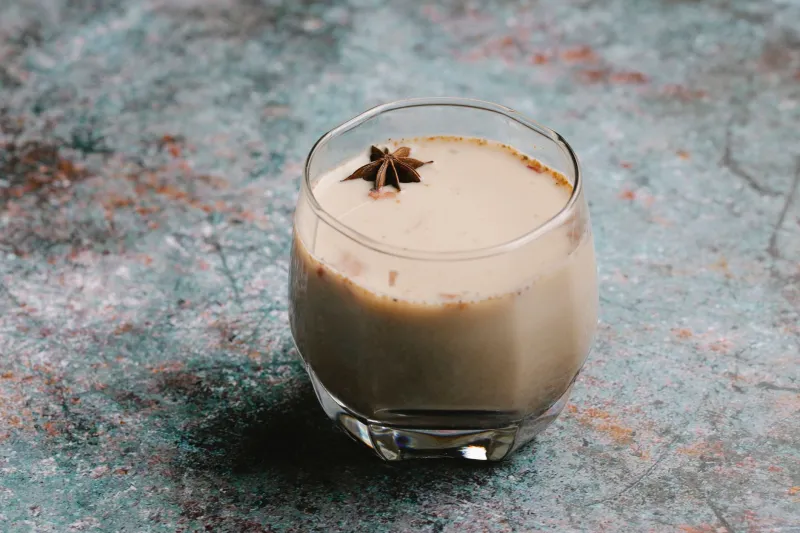
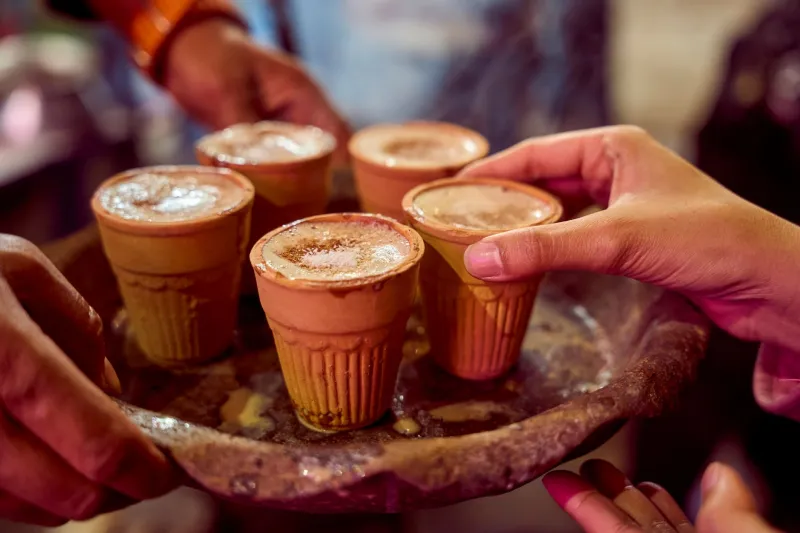
Walk into the right coffee shop in Portland, Nashville, or Brooklyn these days and you might find something on the menu that makes you do a double-take. Bourbon chai latte. Vermont maple masala. Oat milk chai with local wildflower honey and toasted cardamom. These aren't the syrupy, pre-packaged "chai" concentrates that colonized American coffee chains in the early 2000s. These are the real thing — or at least, a genuinely thoughtful evolution of it.
Across the country, a loose but growing community of chai makers, tea shop owners, and home enthusiasts are doing something that requires both confidence and humility: taking one of the world's oldest and most culturally specific beverage traditions and asking what it might look like with American hands in the pot.
The Difference Between Appropriation and Innovation
Before we get into the recipes and the people behind them, it's worth naming the tension that everyone in this space is navigating. Chai — specifically masala chai — comes from a rich and specific cultural lineage rooted in South Asian tradition. The spice combinations, the brewing methods, the social rituals around chai are not incidental details. They carry meaning.
The best American chai innovators understand this, and it shapes how they approach their work. There's a meaningful difference between slapping the word "chai" on a spiced latte made from a powder and genuinely studying the tradition, sourcing quality ingredients, and building something new from a foundation of respect.
"I spent a long time learning before I started changing anything," says Marcus Webb, who runs a small-batch chai company called Copper Kettle Chai out of Asheville, North Carolina. "I visited tea shops in New York with large South Asian communities. I read everything I could find. I talked to people who grew up drinking chai. Only after that did I feel like I had earned the right to experiment."
That philosophy — learn first, innovate second — comes up again and again when you talk to the people doing this well.
The Vermont Experiment: Maple Meets Masala
One of the most talked-about American chai variations right now is maple chai, and its spiritual home might be Vermont, where maple syrup isn't just a condiment — it's practically a regional identity.
Jordan Leclair, a former line cook turned tea entrepreneur based in Burlington, started experimenting with maple as a chai sweetener about four years ago. What began as a personal project — she was trying to reduce refined sugar in her diet without giving up chai — turned into a small but devoted following at the Burlington Farmers Market.
"Maple has this incredible depth that white sugar just doesn't have," Leclair explains. "There are caramel notes, a slight woodiness, a little something savory underneath. When you pair that with cardamom and cinnamon, it's like they were always supposed to be together."
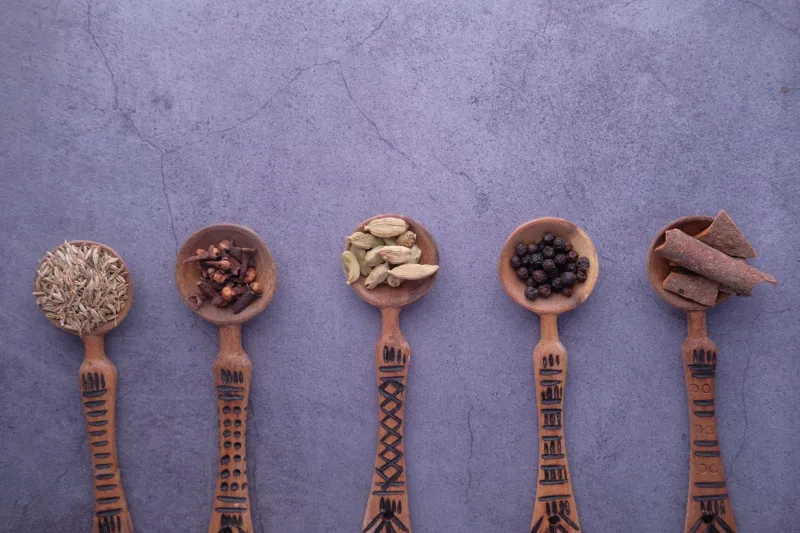
Her current recipe uses Grade A Dark Amber maple syrup — the robust, full-flavored variety — along with a masala blend she sources from a family-owned spice importer in Queens. The base is a strong Assam black tea. She adds fresh ginger from a local farm during the summer months. The result is something that tastes simultaneously familiar and new — chai that a grandmother in Mumbai might not recognize, but might also not entirely disapprove of.
Bourbon Country Chai: A Kentucky Story
Further south, in Louisville, Kentucky, tea shop owner Dara Mitchell has taken the American chai experiment in a decidedly different direction. Her shop, Steep & Stone, offers a weekend special that's generated more social media buzz than anything else on the menu: a bourbon-infused chai, served warm, that leans into the caramel and vanilla notes naturally present in aged Kentucky bourbon.
The drink is made by brewing a very strong masala chai — heavy on clove and black pepper — and finishing it with a small pour of a locally distilled wheated bourbon. A splash of whole milk rounds it out. It's not a cocktail, exactly, but it's not not a cocktail.
"Chai already has this warming, almost boozy quality from the spices," Mitchell says. "Adding bourbon is less of a departure than people expect. The vanilla and oak from the barrel aging actually complement the clove and cinnamon really naturally. It feels like they belong together."
She's careful to note that the drink is an adult-only menu item and that she's transparent with customers about what they're getting. "This isn't traditional chai. I'd never call it that. It's a chai-inspired drink that uses bourbon as an ingredient. The distinction matters to me."
The Pacific Northwest: Cold Brew Chai and Local Botanicals
In Seattle — a city that takes its beverages extremely seriously — a different kind of American chai innovation is taking shape. Tea collective Fog & Leaf has been experimenting with cold brew chai methods, using Pacific Northwest botanicals to extend and complement traditional masala spice profiles.
Co-founder Amara Singh, who grew up drinking her grandmother's chai in Fresno, California, sees her work as a direct extension of that inheritance. "My grandmother always adjusted her chai based on what was available. She wasn't rigid about it. When she came to the US, she adapted. I think of what we do as continuing that spirit of adaptation."
Fog & Leaf's most popular creation uses dried Douglas fir tips — a Pacific Northwest foraging staple with a citrusy, resinous flavor — alongside traditional cardamom and ginger in a 12-hour cold brew process. The result has a brightness and freshness that's genuinely unlike any chai you'd find in a traditional context, but the masala bones of it are unmistakably there.
What Makes American Chai American?
Talking to these makers, a few themes emerge about what gives American chai its character — beyond just the ingredients.
First, there's a strong emphasis on sourcing transparency. American chai makers tend to be deeply interested in where their spices come from, which suppliers they trust, and how freshness affects flavor. This is partly a product of the broader farm-to-table culture that's shaped American food in the last two decades.
Second, there's a comfort with hybridization. American food culture is, at its best, a culture of creative mixing — of taking influences from everywhere and finding unexpected combinations. The chai makers doing interesting work here aren't trying to compete with traditional Indian chai. They're operating in a different lane entirely.
And third — and maybe most importantly — the best of them are building community. Chai has always been a social drink. Whether it's Marcus Webb hosting chai tastings in Asheville, or Dara Mitchell running weekend chai-and-bourbon pairing events in Louisville, or Amara Singh teaching cold brew chai workshops in Seattle, the social dimension of the tradition is being honored even when the recipe is being transformed.
The cup may look different. But the spirit — gather, steep, share — that part isn't going anywhere.