Your No-Nonsense Guide to Buying Real Chai Spices in the US
Here's the uncomfortable truth about most chai spice blends sitting on American supermarket shelves: they're old, they're weak, and they're going to give you a mediocre cup no matter how carefully you brew. The problem isn't the recipe. The problem is the ingredients.
Great masala chai depends on spices that are genuinely fresh and properly sourced. The difference between a cardamom pod bought from a bulk bin at a specialty spice shop and a jar of pre-ground cardamom that's been sitting in a warehouse for 18 months is not subtle. It's the difference between a chai that makes you close your eyes and one that just tastes vaguely brown.
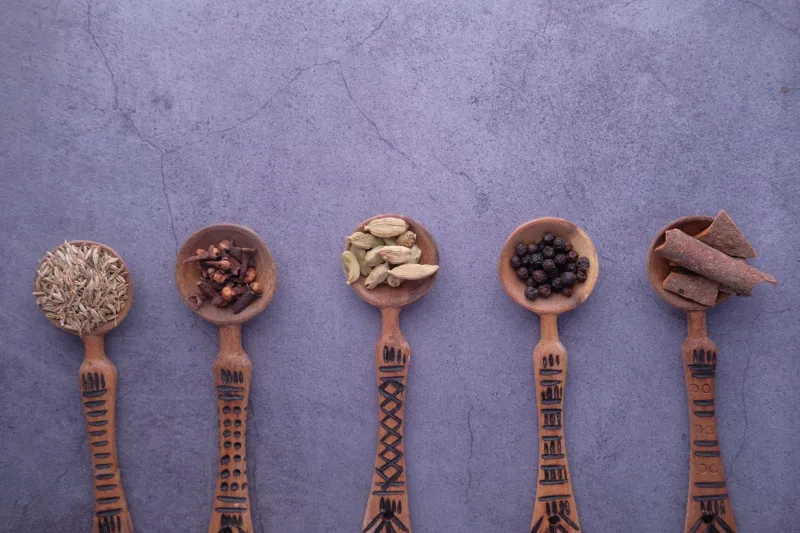
This guide is for anyone who's ready to take that next step — to move past the convenience blends and start sourcing ingredients that actually do the job. We'll walk through each major chai spice, explain what to look for, where to find it in the US, and how to make smart choices at different price points.
Cardamom: The Heart of the Cup
If there's one spice that defines masala chai, it's cardamom. That bright, floral, slightly eucalyptus-tinged flavor is irreplaceable, and it's also the spice most likely to disappoint you if you buy the wrong version.
Whole vs. Ground: Buy whole pods whenever possible. Cardamom's volatile aromatic oils — the compounds responsible for its signature flavor — begin to dissipate the moment the pod is cracked or the seed is ground. Pre-ground cardamom loses potency fast. Whole green cardamom pods, stored in an airtight container away from light and heat, will hold their flavor for up to a year.
What to look for: Plump, bright green pods. Avoid anything that looks pale, yellowish, or dried out — that's a sign of age or poor storage. When you crack a pod, the seeds inside should be dark brown to black and intensely aromatic. If they smell faint, the cardamom is past its prime.
Where to buy in the US: Indian and South Asian grocery stores are your best bet for fresh, affordable cardamom — look for stores in cities with large South Asian communities (New York, Chicago, Houston, the Bay Area, the DC suburbs). Patel Brothers and Apna Bazar are two national chains worth knowing. Online, Burlap & Barrel and Diaspora Co. are widely respected for single-origin spices with transparent sourcing. Expect to pay $8–$15 for a good 3–4 oz supply of whole pods.
Ginger: Fresh, Dried, or Both?
Ginger in chai is a debate in itself. Some traditionalists insist on fresh ginger only. Others swear by the concentrated punch of dried ginger powder. The honest answer is that they're doing different things and you may want both in your arsenal.
Fresh ginger delivers bright, juicy heat with a slight citrus quality. Dried ground ginger is warmer, earthier, and more concentrated — a smaller amount goes further. Many experienced chai makers use a combination: fresh ginger grated into the pot during brewing, with a small amount of dried ginger in the masala blend for depth.
Sourcing fresh ginger: Look for firm, tight-skinned rhizomes with no soft spots or mold. Most grocery stores carry it, but Asian and Indian markets will usually have fresher stock with higher turnover. Young ginger (available in spring at specialty stores) has thinner skin and a milder, slightly floral flavor worth trying.
Sourcing dried ginger: For ground ginger, freshness is everything. Look for a strong, spicy aroma when you open the container. Spice Jungle and Frontier Co-op are solid online options. Price range: $3–$8 for a 2 oz jar of good quality ground ginger.
Cinnamon: Ceylon vs. Cassia
This one trips people up because most Americans have only ever tasted cassia, the bold, slightly harsh cinnamon variety that dominates US grocery stores. True Ceylon cinnamon — sometimes called "true cinnamon" — is a different experience entirely: lighter, more delicate, with floral and citrus undertones.
For chai, both have their advocates. Cassia delivers a punchy, familiar warmth and holds up well in long steeping. Ceylon cinnamon is subtler and layers more elegantly with other spices. If you've only ever used cassia, trying Ceylon is a genuine revelation.
Where to find Ceylon cinnamon: Whole Foods carries it in some markets. Online, The Spice House and Kalustyan's (a legendary New York spice shop that ships nationally) both stock excellent Ceylon cinnamon sticks. Price range: $6–$12 for a small bag of sticks, compared to $3–$5 for cassia.
Cloves: Small but Mighty
Cloves bring the deep, almost medicinal warmth to chai that gives it backbone. They're also easy to overdo — a couple of whole cloves go a long way.
Whole vs. Ground: Whole cloves are strongly preferred. They release flavor gradually during brewing and can be removed before the chai gets too intense. Ground cloves can overwhelm a cup quickly and go stale faster.
Freshness test: A fresh, quality clove should feel slightly oily to the touch and have a powerful, almost numbing aroma. Dry, crumbly cloves with a faint smell are past their peak.
Where to buy: Again, South Asian grocery stores are the value play here. For premium sourcing, Diaspora Co. offers Zanzibar cloves that are genuinely exceptional — worth the splurge for a special batch. Price range: $4–$10 for whole cloves depending on source and quantity.
Black Pepper: The Underrated Workhorse
Black pepper doesn't always make it onto chai ingredient lists, but in many traditional masala blends it plays a crucial supporting role — adding a dry, lingering heat that's distinct from ginger's sharpness.
For chai, Tellicherry black pepper (from the Malabar Coast of India) is the variety most consistently recommended by spice experts. The larger berries have a more complex, fruity flavor profile than standard black pepper.
Buying tip: Buy whole peppercorns and grind them yourself, or crack them coarsely with a mortar and pestle before adding to your brew. Pre-ground black pepper loses its punch within weeks of grinding.
Sources: Penzeys Spices (with retail locations across the US and a strong online store) carries excellent Tellicherry peppercorns at reasonable prices. Price range: $5–$9 for 2 oz of whole Tellicherry peppercorns.
Star Anise and Fennel: The Optional Additions
Not every masala chai recipe includes these, but they're worth having around. Star anise adds a licorice-forward sweetness that works beautifully in chai blends that lean more dessert-like. Fennel seeds contribute a lighter, brighter anise note.
Both are widely available at Indian grocery stores at very low cost. Online, Mountain Rose Herbs is a reliable source for both in bulk.
Building Your Chai Spice Kit on a Budget
If you're starting from scratch, here's a practical approach by budget:
$25–$35: Hit a South Asian grocery store and buy whole cardamom pods, whole cloves, cinnamon sticks (cassia is fine to start), and fresh ginger. Add a small jar of ground ginger. This covers the essentials and will last you months.
$50–$75: Add Ceylon cinnamon sticks, Tellicherry peppercorns, and consider ordering cardamom or cloves from Diaspora Co. or Burlap & Barrel for a quality upgrade.
$75+: Explore single-origin spices, try star anise and fennel, and start experimenting with regional variations in your masala blend.
The single most important thing you can do — at any budget — is buy whole spices and grind or crack them yourself as needed. A basic mortar and pestle (around $15–$25) will transform your chai more than any single ingredient upgrade. The freshness you get from grinding whole spices moments before brewing is something no pre-ground blend can replicate.
Your chai is only as good as what goes into it. Start there.