Cold Brew Chai Is Breaking All the Rules — And It's Absolutely Delicious
There's a quiet revolution happening in the back of American refrigerators. Jars of tea and spices, submerged in cold water, sitting overnight while everyone sleeps. No simmering. No stovetop. No clouds of cardamom steam filling the kitchen. Just time, patience, and — when you finally crack that jar open the next morning — something genuinely surprising in your glass.
Cold brew chai is not a shortcut version of the real thing. It's not iced chai made the lazy way. It's actually a fundamentally different beverage, one that extracts flavor through an entirely different chemical process and produces a cup that would be unrecognizable to anyone who's only ever known chai served hot. And once you understand why it works the way it does, you might start questioning a few assumptions you didn't even know you were holding.
Why Heat Isn't the Only Way to Extract Flavor
Most of us learned to steep tea with hot water because it works fast. Heat excites molecules, speeds up diffusion, and pulls compounds out of tea leaves and spices in a matter of minutes. But speed isn't always your friend in a cup of chai.
High temperatures extract everything — including the harsher, more astringent tannins that can make a rushed or over-steeped chai taste sharp and bitter. Heat also accelerates oxidation, which degrades some of the more delicate aromatic compounds before they ever reach your taste buds.
Cold water, on the other hand, is selective. It extracts slowly, favoring the sweeter, more soluble flavor compounds while largely leaving the aggressive tannins behind. The result is a brew that reads as rounder, naturally sweeter, and smoother — often without needing as much added sugar or milk to balance it out. The chemistry is the same reason cold brew coffee took off so hard: the method isn't just a temperature preference, it's a different flavor philosophy.
The Spice Shake-Up: What Shines and What Disappears
Here's where cold brew chai gets genuinely interesting — and a little humbling if you've been blending masala chai for years. The spices that dominate a hot chai don't necessarily dominate a cold one.
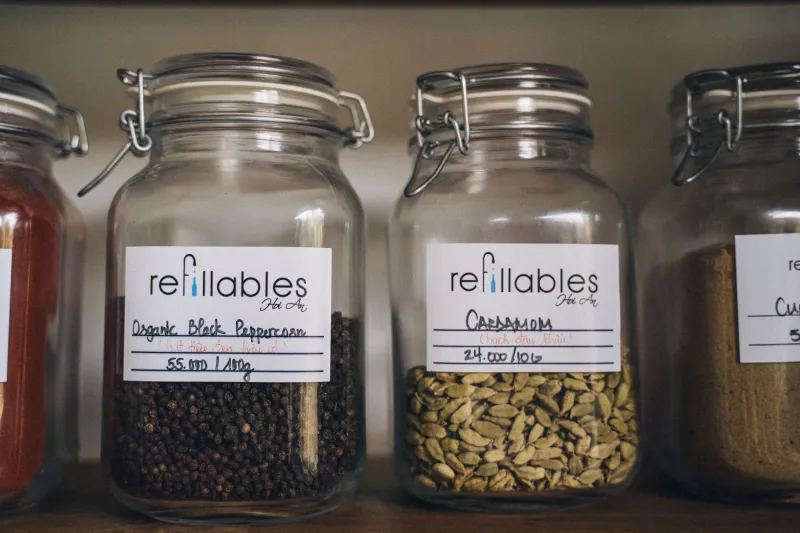
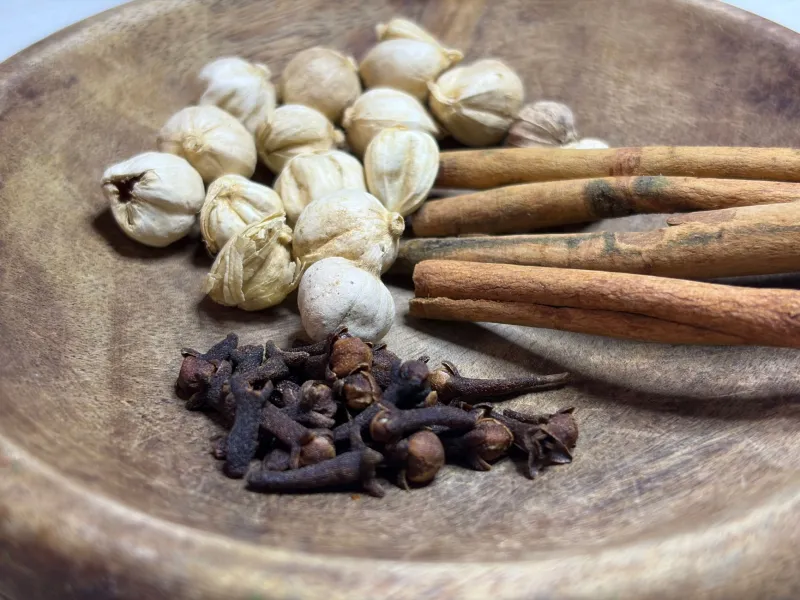
Cardamom is arguably the biggest winner in cold infusion. Its bright, floral, almost citrusy top notes — which can sometimes get steamrolled by heat — come through with remarkable clarity in a cold steep. If you've ever wondered what cardamom actually smells like before it gets cooked, cold brew chai will show you.
Cinnamon also performs beautifully cold. The sweeter, more delicate Ceylon-style cinnamon especially benefits, developing a gentle warmth without the harsh edge that can come from over-extraction in hot water. Cassia cinnamon (the common grocery store kind) stays present but mellows considerably.
Ginger, though, is where people get surprised. Fresh ginger's sharp, peppery heat — that back-of-the-throat fire that's so satisfying on a cold day — barely makes it through a cold steep. You'll get a whisper of ginger flavor, but not the punch. If ginger is your thing, use significantly more than you would for a hot chai, or add a small amount of dried ginger powder, which releases differently than fresh.
Black pepper and cloves are the most dramatically changed. Both rely heavily on heat to release their essential oils, and in cold water, they stay relatively quiet. This isn't necessarily a bad thing — cold brew chai tends to be gentler and less aggressive — but if you love a bold, spicy kick, you'll need to compensate with extra quantity or a longer steep time.
Star anise is a pleasant surprise. Its licorice-forward sweetness infuses readily in cold water and can add a lovely complexity that sometimes gets buried in a hot brew.
Building Your Cold Brew Chai: A Practical Starting Point
The method itself is beautifully low-maintenance, which honestly makes it perfect for American summer life when turning on the stove feels like a punishment.
Basic Cold Brew Chai Concentrate
- 4 tablespoons loose-leaf black tea (Assam works great; it holds up well to long steeping)
- 6 green cardamom pods, lightly crushed
- 1 cinnamon stick, broken in half
- 1-inch piece of fresh ginger, sliced thin (increase to 2 inches if you want more heat)
- 4 whole cloves
- 1 star anise pod
- 4 cups cold filtered water
Combine everything in a large mason jar or pitcher. Give it a gentle stir, cover it, and refrigerate for 12 to 24 hours. Longer steeps develop more depth, but go past 24 hours and the tea can start to turn astringent even in cold water. Strain through a fine mesh sieve or cheesecloth, and you've got a concentrate that keeps in the fridge for up to five days.
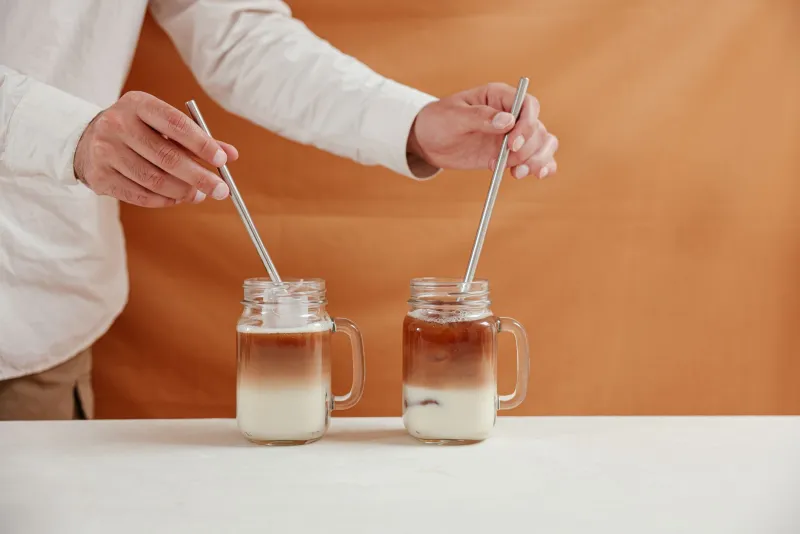
Serve over ice with your milk of choice — oat milk is having a moment here for good reason, since its natural sweetness pairs really well with the rounder flavor profile of cold brew chai. A splash of vanilla, a drizzle of honey, or even a bit of condensed milk can take it somewhere wonderful.
Rethinking "Authentic" for a Hot American Summer
There's sometimes a reflexive resistance to cold chai in conversations about authenticity. Chai is supposed to be hot. It's a warming drink. It belongs to cold mornings and rainy afternoons.
But chai culture has always been adaptive. The spice blends that define masala chai today evolved over centuries, absorbing influences from trade routes, regional preferences, and available ingredients. The idea that there's one fixed, unchangeable way to drink chai doesn't really hold up historically — and it definitely doesn't hold up when you're in Phoenix in August.
Cold brew chai isn't replacing the stovetop version. It's expanding the conversation about what chai can be and when it can show up in your life. It's the reason a chai lover in Atlanta doesn't have to choose between their favorite flavors and surviving July.
A Few Variations Worth Trying
Once you've got the basic cold brew down, there's a lot of room to play:
- Vanilla Cold Brew Chai: Add half a split vanilla bean to your steep. The combination of vanilla and cardamom is quietly extraordinary.
- Citrus-Forward Cold Brew: Toss in a few strips of orange or lemon peel. The bright citrus oils infuse readily in cold water and make the whole thing feel more refreshing.
- Green Tea Cold Brew Chai: Swap the black tea for a high-quality green tea like Darjeeling or even a mild sencha. It's lighter, more delicate, and surprisingly elegant.
- Spicy Boost Version: If you miss the heat, steep a small dried chile de árbol alongside your other spices. It's a very American twist, but it works.
The jar in your fridge is waiting. Give it twelve hours and see what cold water and good spices can do on their own terms — no stovetop required.