Do Your Chai Spices Actually Go Bad? The Truth About Potency, Freshness, and Getting More From Every Jar
Here's a scenario that probably sounds familiar. You're halfway through making a pot of masala chai, you crack open your cardamom, and something feels off. It smells vaguely right, but muted — like a song playing in another room. You check the bottom of the jar. The best-by date was fourteen months ago. You use it anyway and tell yourself it's fine.
Is it fine? Maybe. Is it optimal? Almost certainly not. But the real answer is more interesting than a simple yes or no, and it has everything to do with how spices actually deteriorate — which is not the same thing as how a carton of milk goes bad.
We spent time digging into the food science literature and talking with professional chai blenders to get a clearer picture. What we found challenges a lot of the conventional wisdom floating around spice racks across America.
The Difference Between "Expired" and "Degraded"
Let's start with the most important distinction: expiration dates on spices are not safety dates. Unlike perishable foods, dried spices don't spoil in a way that can make you sick. What they do is lose potency — and that's a completely different process.
The volatile aromatic compounds that give cardamom its floral punch, cinnamon its warmth, and black pepper its bite are technically called terpenes and phenylpropanoids. These molecules are inherently unstable. They want to escape. Given heat, light, air, or moisture, they will — slowly at first, then faster.
This is oxidation and volatilization at work, and it's the real enemy of a quality chai spice cabinet. The "best by" date on a jar of whole green cardamom pods is essentially the manufacturer's estimate of when meaningful flavor loss begins under average storage conditions. It's a starting point for a conversation, not a hard deadline.
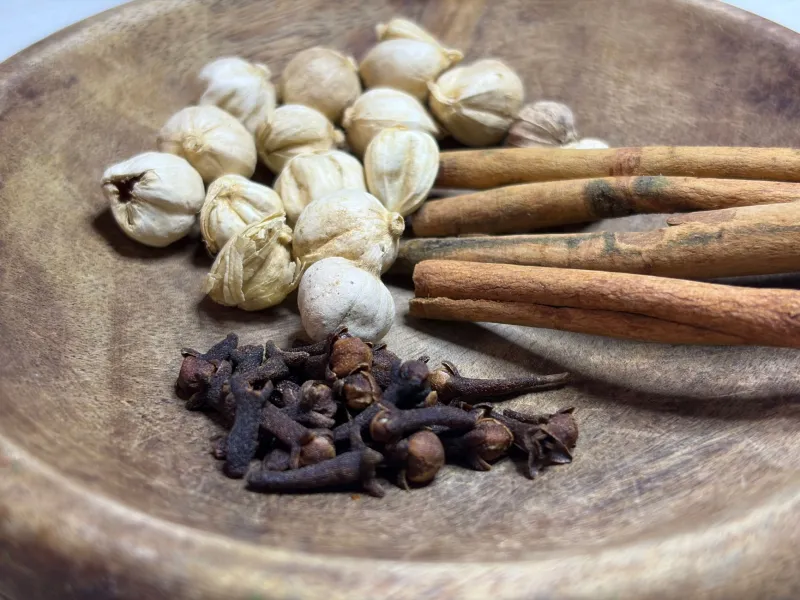
Whole spices, by the way, are dramatically more resistant to this process than pre-ground ones. A whole green cardamom pod keeps its aromatic oils locked inside its husk until you crack it open. Ground cardamom, with its vastly increased surface area, starts losing those same oils almost immediately after grinding. This is why serious chai makers almost always buy whole and grind fresh.
What Actually Kills Your Spices
If you want to preserve your spice investment, understanding the four main degradation triggers is essential.
Heat is probably the biggest culprit in most American kitchens. The cabinet directly above or beside the stove — the one that's convenient and always within reach — is ironically one of the worst places to store spices. Repeated temperature cycling (hot when you cook, cooling down afterward) accelerates the escape of volatile compounds faster than almost anything else. Even ambient kitchen warmth, if your home runs hot, chips away at potency over months.
Light, especially direct sunlight, drives photodegradation. UV exposure breaks down certain aromatic molecules directly. This is why serious spice vendors and tea shops often store inventory in dark conditions, and why opaque or amber-tinted containers aren't just aesthetic choices.
Oxygen exposure is the slow, steady killer. Every time you open a jar, you're introducing fresh oxygen that can oxidize the essential oils in your spices. Those wide-mouth jars that look gorgeous on an open kitchen shelf? Charming, but not ideal for long-term storage.
Moisture is the wildcard. In most dry American climates, it's less of a daily concern, but in humid regions — think the Gulf Coast, Florida, or Pacific Northwest winters — moisture infiltration can cause clumping and even mold in ground spices, particularly ones with higher sugar content like cinnamon.
The Storage Setup That Actually Works
So what does good spice storage actually look like for a chai enthusiast who's buying quality ingredients and wants to use them at their best?
First, go whole whenever possible. Whole cinnamon sticks, whole cardamom pods, whole cloves, whole black peppercorns — these will hold their character for one to three years under decent conditions. Ground versions of the same spices typically start declining noticeably within three to six months.
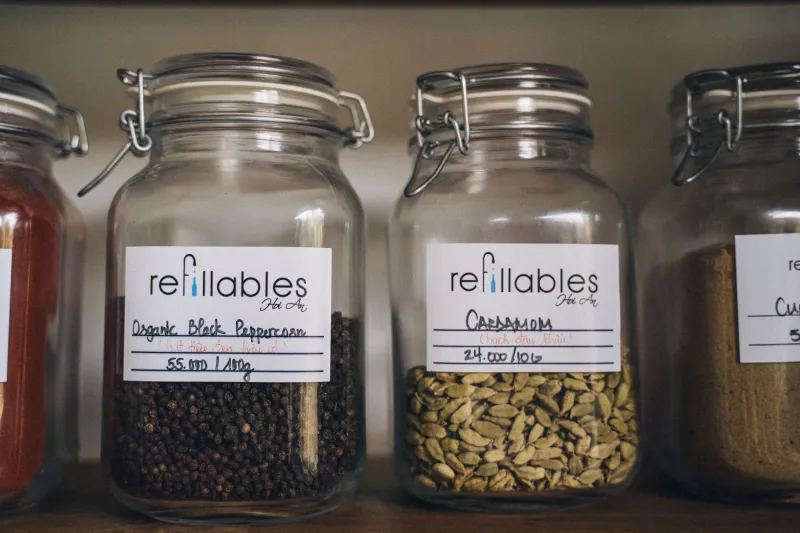
Second, choose your containers thoughtfully. Airtight glass jars with rubber-sealed lids are the gold standard. Vacuum-sealed options are even better for long-term storage. Avoid containers that let in light, and consider labeling everything with the purchase date — not the printed expiration date, but when you actually bought it.
Third, find a cool, dark, stable location. A lower cabinet away from the stove, a dedicated drawer, or even a small corner of a pantry works well. If you live somewhere genuinely hot and humid, some chai devotees keep their most prized spices — high-quality saffron, rare single-origin cardamom — in the refrigerator in sealed containers. This is somewhat controversial (condensation upon removal can be an issue), but for long-term preservation, the cold does slow degradation meaningfully.
Fourth, buy in quantities you'll actually use. It's tempting to stock up when a good deal appears, but buying a pound of ground ginger when you use a quarter pound a year is a false economy. Fresher, smaller quantities almost always beat older bulk purchases.
Can You Revive Spices That Have Faded?
Here's where things get interesting. While you can't fully restore degraded spices to their original potency, you can coax more life out of ones that have simply gone quiet.
Dry-toasting is the most effective technique. A dry skillet over medium-low heat, thirty to sixty seconds of gentle movement — this wakes up remaining volatile compounds and can dramatically improve the aroma and flavor contribution of spices that seem dull. It works especially well for whole spices like cinnamon sticks, cardamom pods, and cloves. The heat essentially accelerates the release of whatever aromatic potential remains.
For ground spices, toasting is riskier since the smaller particles can burn quickly, but a brief warm in a dry pan with constant stirring can still help. The key is low heat and attention.
One note: toasting doesn't restore what's already gone. If a spice smells like nothing at all, no amount of heat will bring it back. The sniff test remains the most reliable freshness indicator — trust your nose over any printed date.
Building a Smarter Chai Spice Rotation
The most practical takeaway from all of this is that treating your chai spice cabinet like a living inventory — something you actively manage and rotate — pays real dividends in cup quality.
Buy whole, store smart, grind fresh when you can, and taste your spices regularly rather than assuming they're fine because the jar isn't empty. When something has clearly lost its edge, use it up in applications where it matters less (baked goods, spice rubs, mulled cider) and replace it with something fresh for your chai.
Your 3 PM cup will thank you for the effort. The difference between a masala chai made with vibrant, properly stored spices and one made with tired, heat-damaged ones is genuinely striking — and once you've tasted both side by side, you'll never look at that cabinet above the stove the same way again.