Ditch the Drip: How Chai Is Quietly Winning Over the American Morning Coffee Crowd

The Morning Routine Is Getting a Makeover
For decades, the American morning has been defined by one sound: the gurgle of a coffee maker. Coffee is practically baked into the culture — the commute cup, the desk-side thermos, the 8 a.m. meeting fuel. But spend any time in coworking spaces from Austin to Brooklyn, and you'll notice something different steaming in a growing number of mugs. Chai — real, spiced, layered chai — is quietly muscling its way into the morning lineup.
This isn't just a foodie trend or a niche wellness obsession. According to data from the Tea Association of the USA, ready-to-drink and specialty tea consumption has climbed steadily over the past five years, with spiced chai blends driving a significant chunk of that growth. And the people making the switch aren't just tea enthusiasts. They're project managers, nurses, software engineers, and small business owners — people who need to show up sharp and stay that way.
So what's actually going on here?
Caffeine Without the Crash: Breaking Down the Numbers
Let's start with the basics. One of the biggest misconceptions about chai is that it's a caffeine-light alternative — something you drink when you're trying to cut back. That's not quite accurate.
The caffeine content in chai depends almost entirely on the tea base used. A cup of chai made with a strong Assam black tea base — the traditional choice — typically contains between 40 and 70 milligrams of caffeine per 8-ounce serving. A masala chai latte from a café, depending on how it's prepared, can push closer to 50–80 mg. Compare that to a standard 8-ounce drip coffee, which clocks in at roughly 95 mg, and you're not exactly swapping rocket fuel for chamomile.
Some chai blends use a green tea base, which brings caffeine down to the 25–45 mg range. Others incorporate rooibos for a fully caffeine-free option. The point is, chai gives you real flexibility — you can dial the energy up or down depending on the tea base and brew strength, something coffee drinkers rarely think about.
L-Theanine: The Ingredient Coffee Doesn't Have
Here's where things get genuinely interesting from a science standpoint. Black tea — the backbone of most chai blends — contains an amino acid called L-theanine. Coffee doesn't. And that distinction matters a lot for how your brain responds to the caffeine.
L-theanine promotes a state of calm alertness. It works synergistically with caffeine to smooth out the stimulant's sharper edges — reducing the likelihood of the jitteriness, elevated heart rate, and anxiety spike that some people experience after coffee. Research published in journals like Nutritional Neuroscience has shown that the caffeine-plus-L-theanine combo improves sustained attention and reaction time while keeping stress responses lower than caffeine alone.
In plain terms: chai tends to produce a cleaner, more even energy curve. You get lifted without the jagged peak-and-crash pattern that sends people sprinting back to the coffee machine at 2 p.m.
"I used to have three cups of coffee by noon and still feel foggy by mid-afternoon," says Marcus T., a UX designer based in Chicago who made the switch eight months ago. "With chai, I have one strong cup in the morning and maybe a lighter brew around lunch. My focus is steadier and I'm not white-knuckling it through the afternoon slump."
What Workplace Wellness Coaches Are Seeing
Marcus isn't alone. Workplace wellness professionals are starting to take note of what employees are reporting anecdotally.
Jenna Kowalski, a corporate wellness consultant who works with mid-size companies in the Midwest, says the conversation around caffeine habits has shifted considerably in the past couple of years. "There's much more awareness now about how stimulant intake affects cognitive performance and stress levels at work," she explains. "Chai comes up a lot because it checks a lot of boxes — it has enough caffeine to feel functional, the spices have their own wellness associations, and the ritual of making it is genuinely calming for people."
That last point — the ritual — is something chai enthusiasts have always known but that the wellness world is only recently catching up to. Brewing a proper cup of chai takes a few minutes. You're simmering spices, watching milk foam, adjusting sweetness. It's tactile and deliberate in a way that dropping a pod in a machine simply isn't. For workers managing high-stress environments, that small act of intentional preparation can function as a genuine reset.
The Spice Factor: More Than Just Flavor
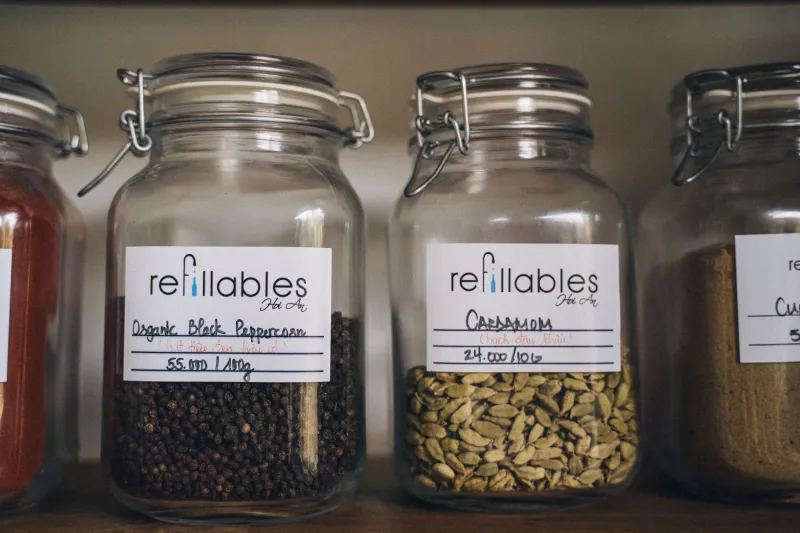
It would be a disservice to talk about chai's appeal without acknowledging the spices themselves. A classic masala chai blend typically includes cardamom, ginger, cinnamon, black pepper, and cloves. Each of those ingredients carries its own functional reputation.
Ginger has well-documented anti-inflammatory properties and is frequently linked to digestive ease — helpful if coffee's acidity has been a problem. Cinnamon has been studied for its potential role in blood sugar regulation. Cardamom is beloved in Ayurvedic traditions for its calming qualities. Black pepper contains piperine, which may enhance the absorption of other beneficial compounds.
None of this means chai is medicine. But the combination of bioactive spices alongside a gentler caffeine experience is a compelling package for someone who's been wrestling with coffee-related heartburn or afternoon energy crashes.
Making the Switch Without Missing Your Coffee
If you're curious about testing the chai-for-coffee swap, a few practical notes from people who've done it:
Start with a strong Assam base. If you're a heavy coffee drinker, you want robust caffeine support in the beginning. Assam is malty, bold, and assertive — it won't feel like a downgrade.
Brew it properly. A weak, bag-dunked cup of chai isn't going to convert anyone. Simmer your spices in water for a few minutes before adding tea and milk. The process makes a difference.
Give it two weeks. Most people who've successfully switched report that the first few days feel slightly off — not because chai is inferior, but because their bodies are recalibrating to a different caffeine and stimulant profile. By week two, most say they feel noticeably better.
Don't default to the coffee shop version. Many American café chai lattes are syrup-based and sweet enough to qualify as dessert. That's not really chai — it's a chai-flavored sugar drink. Making it yourself or sourcing a quality loose-leaf blend is a completely different experience.
A Shift Worth Paying Attention To
The American coffee culture isn't going anywhere — that's not what this is about. But the conversation around how we fuel our workdays is genuinely evolving. People are asking smarter questions about energy, focus, and the toll that high-stimulant routines take over time.
Chai, with its flexible caffeine range, its L-theanine advantage, its functional spice profile, and its built-in invitation to slow down for five minutes, is positioned perfectly for that conversation. It's not a compromise. For a growing number of American workers, it's actually the upgrade.