The Chai Collector's Cabinet: How to Build a Serious Tea Library From the Ground Up
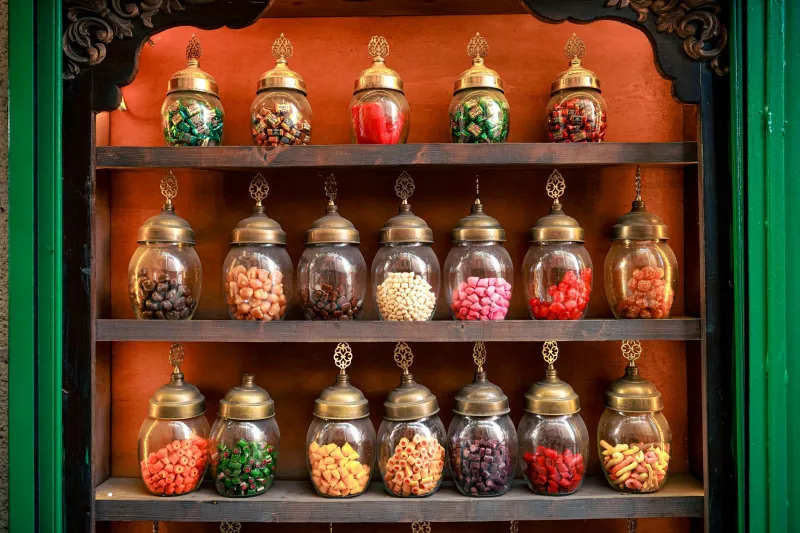
Walk into any serious wine collector's home and you'll find a story on the shelves — bottles organized by region, vintage, producer, and occasion. Ask the right whiskey person about their collection and they'll talk about terroir, aging conditions, and the difference a single distillery makes. These are people who've turned a beverage into a discipline.
Chai deserves the same treatment. And slowly, in specialty tea circles across the US, it's starting to get it.
Building a chai collection isn't about hoarding product or spending recklessly. It's about developing a library of flavors, origins, and techniques that you can return to, compare, and share. If you've ever felt the urge to go deeper than whatever's on the grocery store shelf, this is where that instinct leads.
Start With Terroir: Tea Base First
Every great chai collection starts with the tea itself, not the spices. And just like wine grapes, tea leaves express their growing environment in ways that are subtle but unmistakable once you know what to taste for.
For a foundational chai library, aim to have at least three distinct tea bases:
Assam CTC: The workhorse. Bold, malty, and built to stand up to milk and heavy spicing. Most commercial chai blends use some form of Assam. Having a quality single-origin Assam from a named estate — Dikom, Halmari, or Manohari are worth seeking out — gives you a reference point for what "chai backbone" really means.
Darjeeling first flush: Lighter, more floral, and far more delicate than Assam. It's a less common chai base, but it produces something elegant when paired with cardamom and a light hand on the ginger. First flush teas (harvested in spring) have a brightness that disappears in later harvests. They're also the teas most worth buying fresh and using within a year.
A non-Indian base for contrast: Kenyan black tea, particularly from the highlands, is underrated in chai applications. It has a clean, bright character that pairs beautifully with more assertive spice blends. Adding one non-Indian tea base to your collection expands your tasting range significantly.
For sourcing, look beyond Amazon. Vendors like Upton Tea Imports, Harney & Sons, and specialty importers like Vahdam (which ships directly from India) offer estate-specific teas with harvest dates — crucial information for a serious collector.
Building the Spice Side of the Collection
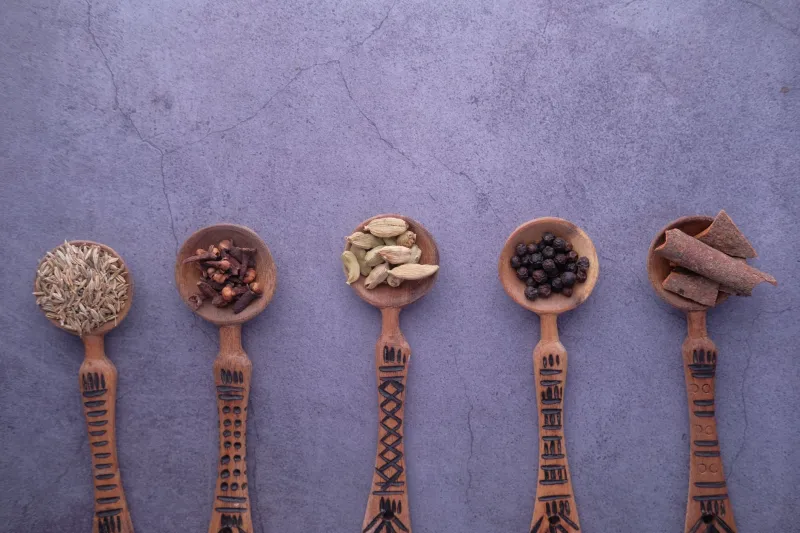
A chai collection isn't complete without a thoughtfully curated spice library. The goal isn't quantity — it's quality and variety across key dimensions.
Cardamom: This is the heart of most masala chai, and the variation between sources is significant. Green cardamom from Guatemala (where most of the world's supply now originates) differs noticeably from Guatemalan varieties grown at higher altitude, and both differ from Keralan cardamom, which is more intensely floral. Try to have at least two sources side by side.
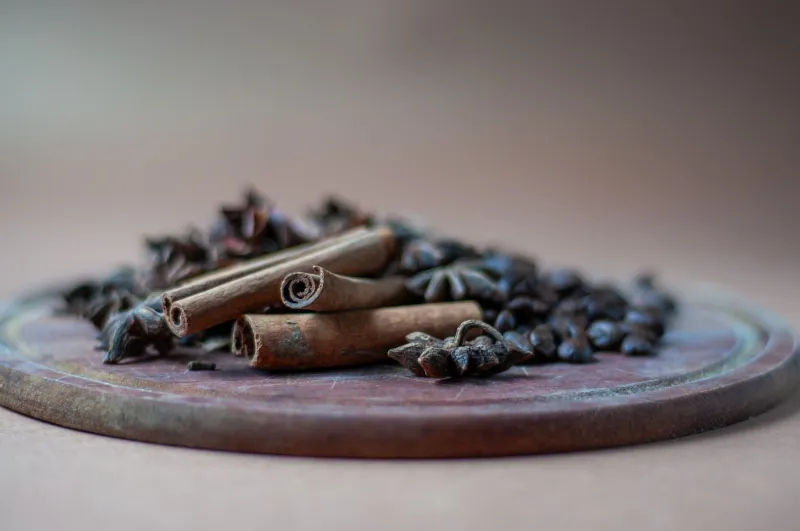
Cinnamon vs. cassia: Most American spice racks have cassia, which is sharper and more aggressive. True Ceylon cinnamon (often labeled "true cinnamon" or Cinnamomum verum) is softer, more complex, and worth having separately. They behave differently in chai and produce meaningfully different cups.
Single-origin ginger: Dried ginger from different regions — Cochin, Nigerian, Jamaican — varies in heat intensity and aromatic quality. A small collection of two or three sources lets you tune the heat profile of your blends.
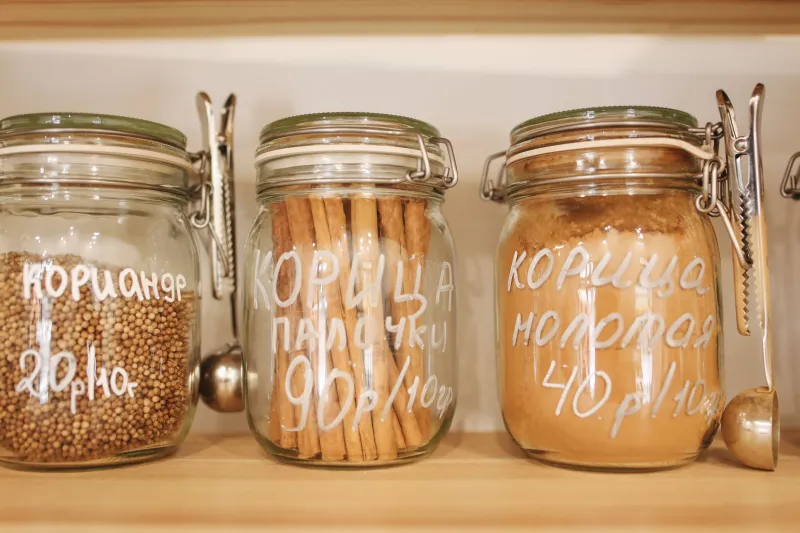
Store all spices whole where possible. Pre-ground spices lose volatile aromatics within months; whole pods, sticks, and dried roots hold their potency for 12–18 months when kept in airtight, opaque containers away from heat. A small dedicated cabinet or drawer — away from your stove — is ideal.
What Ages Well (and What Doesn't)
Unlike wine, most chai components don't improve with age. But some hold up better than others, and understanding the difference shapes how you manage your collection.
Good for 12–18 months: Whole spices stored properly, CTC black teas in sealed containers, and dried ginger. These won't improve, but they won't degrade dramatically either if conditions are right.
Drink within 6 months: First and second flush Darjeelings, any green or white tea base you're experimenting with, and pre-blended chai mixes. The freshness-dependent aromatics in these products fade noticeably over time.
Worth dating: Label everything with purchase date and, if known, harvest date. It sounds fussy until you're trying to remember whether that Assam has been in the cabinet for eight months or eighteen.
Never freeze: Contrary to popular advice for coffee, freezing tea damages cell structures and introduces moisture. Cool, dark, and dry is the correct storage environment.
Organizing for Tastings
The real payoff of a chai collection is the comparative tasting — the moment when you brew the same spice blend with three different tea bases and actually taste the difference, or when you line up cardamom from two sources and let the distinction speak for itself.
A few formats that work well:
The base comparison: Same spice blend, three tea bases. Brew identical batches, taste blind if possible. This is the fastest way to understand what the tea itself contributes to a chai.
The spice single-out: One spice, two or three sources, same base tea. Cardamom and cinnamon are particularly revealing in this format. This is also a great exercise to do with guests — it's approachable and produces genuine surprise.
The regional flight: Source three or four regional chai blends — a Kolkata-style milky sweet chai, a Kashmiri noon chai (pink, salty, with almonds), a Gujarati masala, and a South Indian filter chai approach. Brew all four and let the geography tell the story.
For your tasting setup, small 4-oz cups work better than full mugs — enough to evaluate without overdoing the caffeine. A simple notepad for tasting notes adds structure and gives you a record to build on.
The Community Angle
Serious collectors don't collect in isolation. Seek out specialty tea communities online — the r/tea subreddit has active enthusiasts, and several Discord servers cater specifically to chai and South Asian tea culture. The World Tea Expo, held annually in the US, draws importers, blenders, and collectors who are often generous with sourcing recommendations.
Building relationships with a good specialty tea vendor is also worth the effort. When you're a regular customer who asks specific questions, you start getting access to limited estate releases, harvest notifications, and the kind of behind-the-scenes knowledge that separates a real collection from a well-stocked pantry.
The Shelf as a Practice
At its best, a chai collection is less about the objects on the shelf and more about the practice they support — the regular brewing, the comparative tasting, the gradual refinement of your palate and your preferences. Wine collectors will tell you the same thing: the bottles are just the means. The end is the attention.
Start with one exceptional Assam, one whole spice you've never sourced seriously before, and a single afternoon to taste them properly. The shelf builds itself from there.