Steep More, Spend Less: The Smart Chai Lover's Guide to an Affordable Spice Cabinet
Here's the thing about chai that nobody talks about enough: when you break it down per cup, it's one of the most economical premium beverages you can make at home. A latte from a coffee shop runs you $6 or $7 these days. A well-made cup of masala chai — brewed from quality whole spices and good loose-leaf tea — can cost less than 50 cents a serving if you shop smart. The challenge is knowing how to shop smart.
This guide is for chai lovers who want the real stuff — whole spices, quality tea bases, the works — without a grocery bill that makes them wince. Let's talk strategy.
The Case for Buying Whole Spices in Bulk
If you're buying pre-ground chai spices from the grocery store in those small glass jars, you're paying a significant markup for convenience — and you're probably getting spices that are already partially stale. Those jars typically hold one to two ounces of product and cost three to five dollars each. Do the math on a full spice rack and it adds up fast.
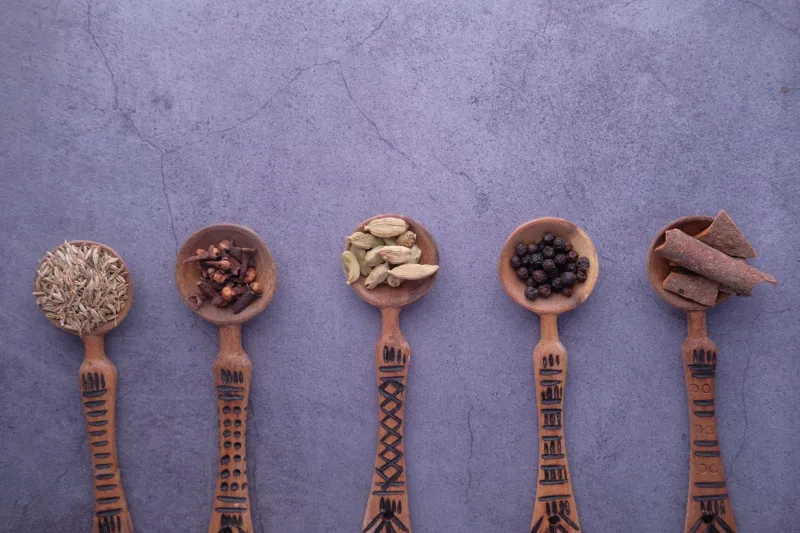
Whole spices bought in bulk are a completely different value proposition. A pound of whole green cardamom pods from a bulk supplier will cost you somewhere between $10 and $20 depending on the source — and it will last a home brewer six months to a year when stored correctly. Compare that to the equivalent amount purchased in those small grocery store jars and you're looking at a cost difference of 60 to 70 percent.
The quality argument is just as strong as the cost argument. Whole spices retain their volatile aromatic compounds — the stuff that actually makes your chai taste good — far longer than pre-ground versions. You're not just saving money; you're getting a better product.
Where to Actually Buy Bulk Spices in the US
You've got several solid options depending on where you live and how much you want to order at once.
Indian and South Asian grocery stores are often the single best resource for chai spices in the US, especially if you live near a city. Stores like Patel Brothers (with locations across the country), India Bazaar, and local independent South Asian markets typically stock large bags of whole cardamom, cinnamon sticks, cloves, black pepper, and ginger at prices that are hard to beat. The quality is generally very good because these stores have high turnover — spices aren't sitting on shelves for years.
Online bulk suppliers are the go-to for people who don't have easy access to specialty grocery stores. Burlap & Barrel, Diaspora Co., and Curio Spice Co. all sell high-quality single-origin spices in larger quantities, though they tend to skew toward the premium end of the market. For pure budget efficiency, sites like Mountain Rose Herbs, Frontier Co-op, and Starwest Botanicals offer bulk organic spices at competitive prices with solid quality standards.
Restaurant supply stores like Restaurant Depot or Cash & Carry are an underutilized resource for home chai brewers. These wholesale operations sell commercial quantities of common spices — cinnamon, black pepper, ginger — at prices well below retail. You'll need a business account at some, but many now allow individual shoppers or charge only a small membership fee.
Ethnic markets beyond South Asian are worth exploring too. Middle Eastern grocery stores, Mexican tiendas, and African markets often carry spices used in chai blends — cinnamon, cardamom, cloves, allspice — at excellent prices because they serve communities that use these spices in high volume.
The Spice-Sharing Co-op Model
Here's a strategy that more chai enthusiasts should know about: the informal spice co-op. The logic is simple. Buying a pound of cardamom makes financial sense, but if you're a single-person household, you might not work through a pound before some of it starts to lose potency. The solution? Split the order.
Get two or three chai-loving friends or neighbors to pool resources on a bulk order. You each contribute to the purchase price, divide the spices equally, and everyone ends up with fresh, high-quality product at a fraction of what they'd pay buying individually. This works especially well for pricier spices like green cardamom and high-quality cinnamon.
Some local tea communities and chai enthusiast groups (yes, they exist — check Facebook Groups and Meetup for chai or tea enthusiast groups in your city) have formalized this into regular group buys, where members coordinate orders from wholesale suppliers a few times a year. It's a genuinely smart model.
Knowing Which Spices Are Worth Spending More On
Not all spices are created equal, and not all of them deserve the same level of investment. Here's a rough hierarchy for chai purposes:
Spend more on: Green cardamom (the quality difference between cheap and good is enormous), true Ceylon cinnamon (versus the much more common Cassia variety, which is sharper and more one-dimensional), and your tea base. These are the elements that most define the flavor of your final cup.
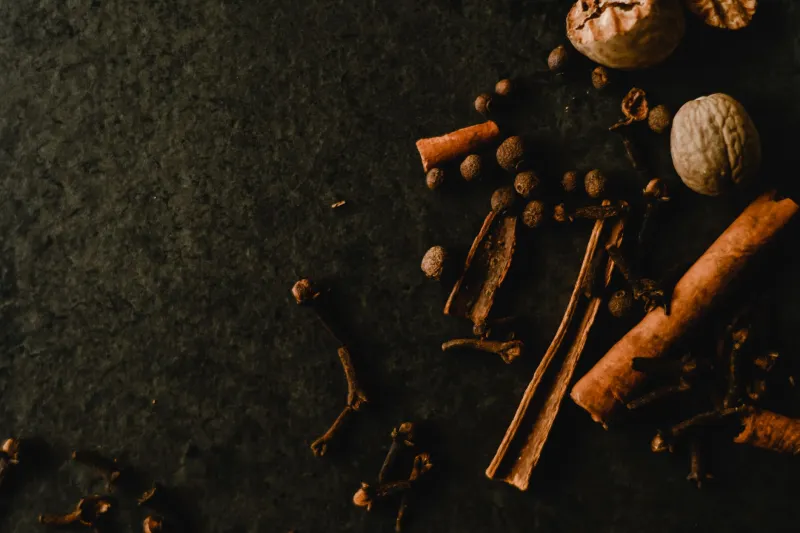
Buy in bulk for value: Black pepper, cloves, star anise, dried ginger. These are generally consistent across price points once you're buying whole spices. There's less quality variation to worry about.
Grow your own: Fresh ginger is easy to grow in a pot on a windowsill or in a small garden in most US climates. It costs almost nothing once established and delivers a freshness that dried ginger simply can't match. Lemon grass is similarly easy and adds a lovely citrus note to chai.
Maximizing Shelf Life to Protect Your Investment
Buying in bulk only saves you money if the spices don't go stale before you use them. Storage is everything.
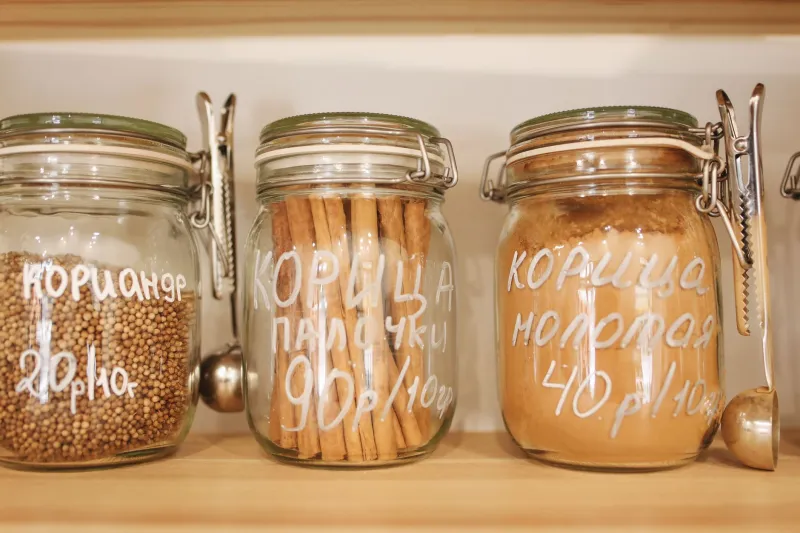
Whole spices should live in airtight containers — glass is best — away from heat, light, and moisture. A dark cabinet away from the stove is ideal. Avoid the spice rack right next to the burners that looks beautiful on a kitchen counter; heat degrades aromatics fast.
Label everything with a purchase date. Whole spices at proper storage conditions hold their potency for one to two years for most varieties, with cardamom on the shorter end and dried ginger and cinnamon lasting longer. If you're not sure whether a spice is still good, crush a small amount between your fingers and smell it. If the aroma is faint or flat, it's time to replace it.
For spices you've ground yourself, use within two to three months. The surface area created by grinding accelerates oxidation significantly.
The Real Math
Let's put numbers to this. A well-stocked chai spice cabinet — cardamom, cinnamon, ginger, black pepper, cloves, and a quality loose-leaf Assam — built from bulk sources might run you $40 to $60 upfront. At roughly 20 to 30 cents worth of spices per cup, that initial investment covers 150 to 200 cups of chai. That's months of daily brewing for the cost of about a week's worth of coffee shop visits.
The premium chai experience doesn't live behind a $7 price tag. It lives in your kitchen, in a cabinet full of whole spices you sourced thoughtfully. That's the real secret.