Spice Meets Sweet: How to Bake and Cook With Chai Like You Actually Mean It
Most people discover chai in a cup. The warm spice, the milky richness, the way it settles something in you that you didn't know needed settling. But the flavors that make chai so compelling in beverage form — the heat of ginger, the floral warmth of cardamom, the subtle bite of black pepper, the sweetness of cinnamon — are exactly the kind of complex, layered notes that great desserts are built around.
Using chai as a culinary ingredient isn't a new idea, but it's one that most home bakers and cooks dramatically underuse. Here's how to change that.
Understanding the Spice Architecture Before You Start
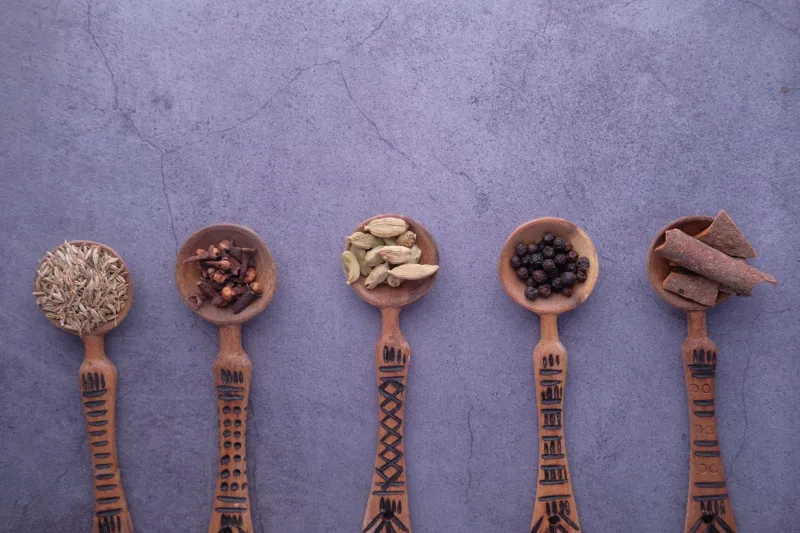
Before you start dumping chai powder into brownie batter, it helps to understand what you're actually working with. A traditional masala chai blend is built around a few core elements:
- Cinnamon adds warmth and sweetness without sharpness
- Cardamom is floral and slightly citrusy — the note that makes chai taste distinctly chai
- Ginger brings heat and brightness that cuts through richness
- Black pepper adds a subtle, slow-building bite that deepens complexity
- Clove contributes an almost medicinal warmth that needs to be used carefully
- Nutmeg (in some blends) adds a creamy, nutty undertone
When you're cooking or baking with chai, you're essentially using this spice architecture as a flavor framework. The goal is to let it enhance what's already in the dessert without turning everything into a one-note spice bomb. Balance is everything.
Chai-Spiced Brownies: Fudgy, Dark, and Deeply Complex
Brownies are an ideal vehicle for chai spices because the bitter intensity of dark chocolate can absorb a lot of spice without losing itself. The spices don't compete with the chocolate — they deepen it.
For a standard 8x8 batch of fudgy brownies, add the following to your dry ingredients:
- 1 teaspoon ground cinnamon
- ½ teaspoon ground cardamom
- ¼ teaspoon ground ginger
- ⅛ teaspoon black pepper
- A small pinch of clove
That's it. No chai powder required — you're building the flavor directly. The pepper is the secret weapon here; most people don't notice it consciously, but it adds a warmth that lingers after the chocolate fades and makes the whole thing taste more sophisticated.
If you want to double down on the chai flavor, steep two bags of strong black chai tea in your melted butter before incorporating it into the batter. Let the tea steep for five minutes, remove the bags, and proceed as normal. The result is a brownie that tastes unmistakably chai-forward without being cloying.
What to look for: The brownies should have a crisp top and a dense, fudgy center. The spice should be present but not dominant — you should still taste chocolate first.
Chai Caramel Sauce: The Condiment You'll Put on Everything
If you've never made a chai-infused caramel sauce, clear your schedule this weekend. This is one of those recipes that immediately becomes a permanent fixture in your refrigerator.
Start with a standard wet caramel base — sugar, water, a splash of corn syrup to prevent crystallization. Once the caramel reaches a deep amber color, pull it off the heat and add your heavy cream carefully (it will bubble aggressively). Then, while the mixture is still hot, whisk in:
- 1 teaspoon ground cinnamon
- ½ teaspoon ground cardamom
- ¼ teaspoon ground ginger
- A pinch of black pepper
- A small pinch of fine sea salt
For a more intense chai flavor, you can infuse the cream before adding it: heat the cream with the spices and a chai tea bag, steep for ten minutes, strain, and then proceed with the caramel recipe. The cream carries the spice flavor more evenly through the finished sauce.
This caramel works over vanilla ice cream, drizzled on apple pie, spooned over cheesecake, or stirred into your morning oatmeal. It keeps in the refrigerator for two weeks and makes an excellent gift if you can resist eating it all yourself.
Chai Ice Cream: The No-Churn Method That Actually Works
You don't need an ice cream machine to make a genuinely good chai ice cream. The no-churn method — whipped heavy cream folded into sweetened condensed milk — produces a creamy, scoopable result that holds spice flavor beautifully.
For a single batch, steep four chai tea bags (or two tablespoons of loose-leaf chai blend in a strainer) in one cup of hot heavy cream for fifteen minutes. Strain, cool completely, and then whip to stiff peaks. Fold the whipped cream into one can of sweetened condensed milk along with one teaspoon of vanilla extract, one teaspoon of cinnamon, and half a teaspoon of cardamom.
Freeze for at least six hours before scooping. The result is a warmly spiced ice cream that tastes like someone bottled the best part of a chai latte and made it cold. Serve it alongside warm apple pie or a brownie (see above) and you've accidentally created one of the better dessert combinations in recent memory.
Where People Go Wrong: Common Mistakes to Avoid
Cooking with chai spices is forgiving, but there are a few pitfalls worth knowing about.
Using pre-mixed chai powder indiscriminately. Many commercial chai powder blends include sugar and dried milk solids. That's fine in a beverage context, but it can throw off the sweetness and texture of a baked good. When in doubt, build your own spice blend from scratch.
Overdoing the clove. Clove is the most aggressive spice in the chai family. Too much of it and your dessert tastes like a dental office. A pinch goes a long way.
Forgetting that heat mutes spice. Baking diminishes the intensity of spices. What tastes assertive in the raw batter will be noticeably subtler in the finished product. Don't be shy — season more boldly than feels comfortable before baking.
Ignoring the fat. Spice flavors are fat-soluble, which means they bloom most effectively in butter, cream, or coconut milk. Blooming your spices in warm fat before incorporating them into a recipe will give you a more evenly distributed, more intense flavor throughout.
Chai is one of the most complex flavor profiles in the beverage world. It would be a shame to keep it confined to a mug.