Raising Chai Drinkers: How Three American Families Are Making Tea the First Sip
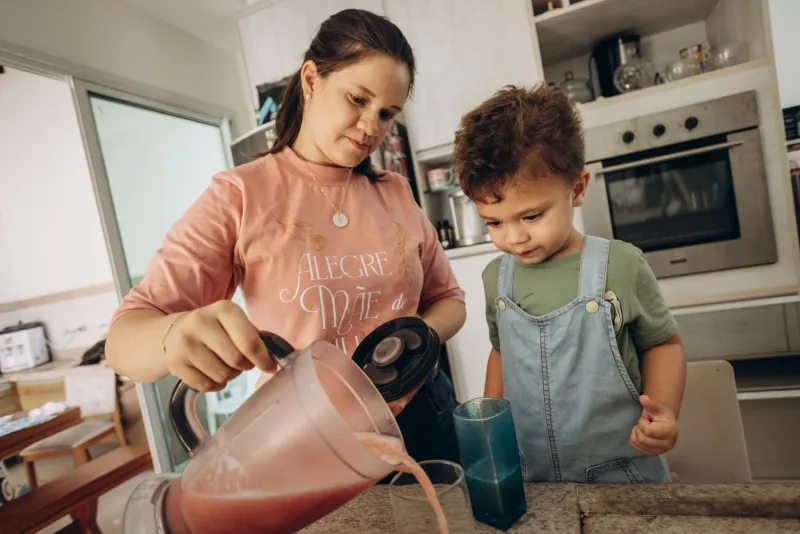
In most American kitchens, the beverage hierarchy is pretty well established. Kids get juice and milk. Teenagers graduate to soda and energy drinks. Adults drink coffee, possibly while apologizing for how much they need it. Tea, if it shows up at all, tends to be a side character — something you drink when you're sick or trying to cut back on caffeine.
But a quiet counter-movement is brewing. A handful of families around the country are introducing chai — real, spiced, made-from-scratch chai — to their kids early, deliberately, and with the kind of intentionality usually reserved for things like screen time limits and vegetable intake. The results are surprising, charming, and maybe a little bit revolutionary.
We talked to three of those families to find out how it's going.
The Patels of Atlanta: Keeping It Cultural, Making It Theirs
For Priya and Rajan Patel, chai was never a trend. It was just Tuesday. Both grew up in households where chai appeared multiple times a day — after school, after dinner, whenever someone stopped by. When they had kids of their own in suburban Atlanta, continuing that tradition felt obvious.
"We started giving our daughter Meera tiny sips from our cups when she was maybe two," Priya says. "Not her own cup — just a taste. She was curious about what we were always drinking."
By the time Meera was six, she had her own small mug. By eight, she was helping crush cardamom pods with a mortar and pestle. Now eleven, she has opinions about ginger ratios.
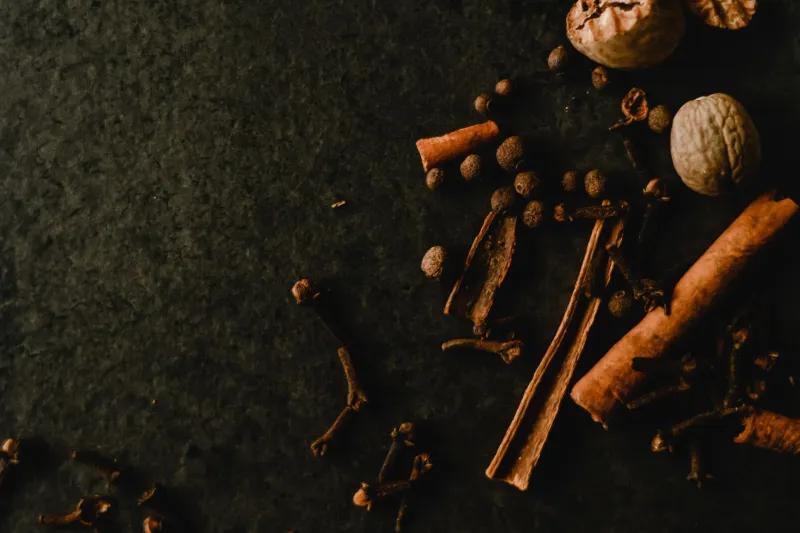
The Patels make a classic stovetop masala chai — black CTC tea, cardamom, ginger, a small pinch of black pepper, whole milk, and jaggery instead of refined sugar. For the kids, they dial back the ginger slightly and use less tea, keeping the caffeine lower while preserving the flavor profile. "We want them to love the taste, not be wired at 9 PM," Rajan laughs.
For Priya, the bigger goal is cultural continuity. "In India, chai isn't a coffee alternative. It's a social ritual. I want my kids to carry that — to know that when someone comes to your home, you make them tea. That's hospitality. That's us."
The Garcias of Portland: Chai as a Coffee Detour
Tamara Garcia didn't grow up drinking chai. She grew up in a coffee family — the kind where the pot was always on and refills were automatic. When she started exploring specialty tea in her late twenties, it felt like discovering an entire world she'd been walking past.
When her twins, Marco and Sofia, were born, she made a deliberate decision: coffee culture could wait. "I watched my own relationship with coffee become pretty dependent pretty fast," she says. "I wanted to give them something they could love that wasn't going to have that same grip on them."
She started with caffeine-free rooibos chai — a South African red bush tea base blended with cinnamon, cardamom, and a small amount of vanilla. It's naturally sweet and mild, with none of the tannins that make black tea bitter. The twins, now nine, call it "red chai" and request it after school most days.
Tamara has gradually introduced small amounts of black tea into the blend as they've gotten older, essentially creating a sliding scale of caffeine that tracks with their development. "Marco can now handle a cup with maybe a quarter the black tea of what I'd drink. Sofia still prefers the rooibos. They're different people, which I think is the whole point — they're learning what they like."
Portland's specialty tea scene has helped. The family visits local tea shops regularly, and the kids have started developing a vocabulary for what they're tasting. "Sofia told a shop owner last month that a chai 'smelled like fall but tasted like something older,'" Tamara says, still a little amazed. "She's nine. That's not nothing."
The Nguyens of Chicago: Tea as the Family Table
Huong Nguyen came to chai sideways — through her Vietnamese heritage of strong, herbal, tea-forward drinks and her husband David's half-Indian background. Their blended household in Chicago became, almost accidentally, a laboratory for what she calls "our version" of chai.
Theirs doesn't follow a strict recipe. It shifts with the season, with what's in the pantry, with who's home. Star anise shows up in winter. Fresh lemongrass appears in summer. Their teenage son, Tyler, started experimenting with the blend himself around age fourteen.
"Tyler went through a phase where he was really into energy drinks," Huong says. "It was a whole thing. We didn't ban them, but we started making chai more of an event — like, let's make it together, let's try something new. He got pulled in by the process."
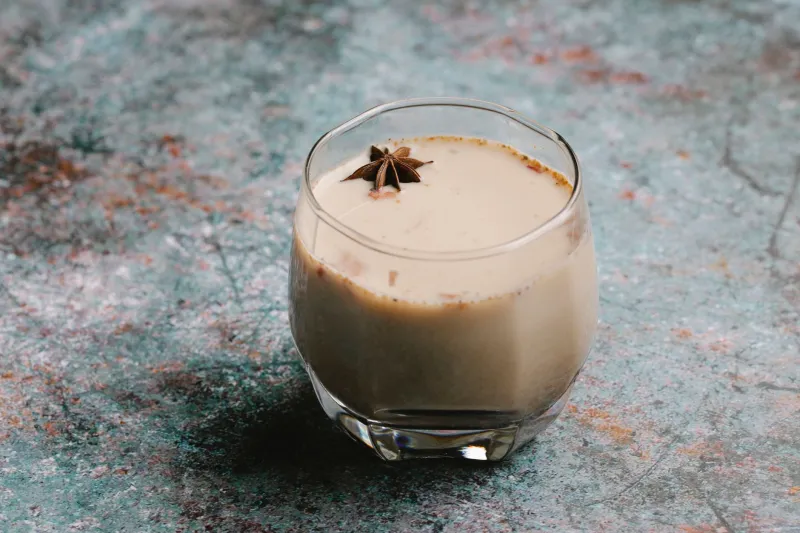
Now sixteen, Tyler has developed a signature blend he's named — with teenager confidence — "Chicago Masala." It includes black Assam tea, cardamom, a small amount of star anise, dried orange peel, and oat milk. He makes it for his friends. Some of them had never had chai before.
"His friends come over and they're expecting to be polite about it," David says. "And then they actually like it. That's become its own thing — Tyler's the chai guy in his friend group."
Huong sees something larger in it. "Food and drink are how families stay connected across generations. My mother made certain things. I make certain things. Now Tyler is making his own thing that came from all of ours. That's how culture actually works."
What These Families Might Be Starting
None of these parents set out to spark a movement. They were just making tea. But taken together, their choices point toward something interesting: a generation of young Americans who are building their beverage identity around something complex, low-sugar, and genuinely pleasurable before the coffee industry gets to them.
Whether that sticks into adulthood remains to be seen. But Meera Patel is already crushing cardamom. Sofia Garcia is developing a palate. And Tyler Nguyen is making chai for his friends in Chicago.
That's a pretty good start.