Sip Your Way Across America: A Chai Lover's Travel Guide to the Country's Best Cups
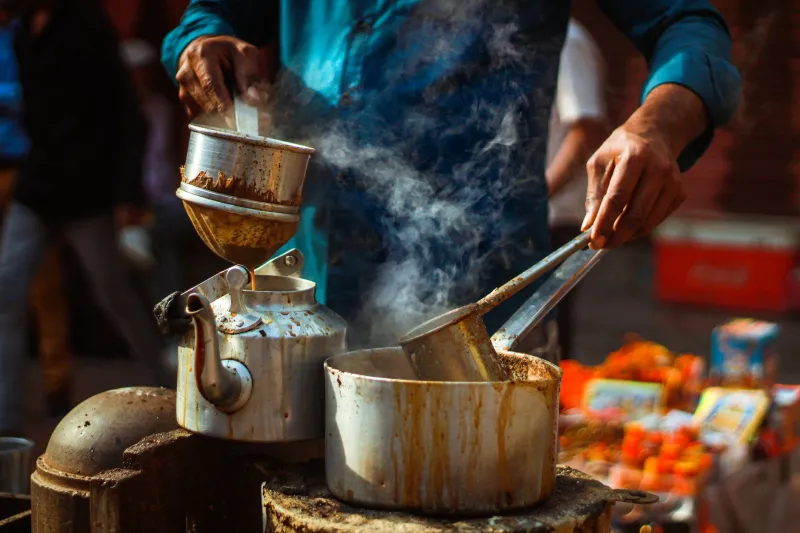
Chai tourism isn't a term most people have used before, but the experience itself? Plenty of Americans are already living it — planning layovers around a specific tea shop, making detours through immigrant neighborhoods in search of an authentic cup, or building entire weekend trips around a city's beverage culture. If you've ever driven twenty minutes out of your way for a good cup of masala chai, you already know what this is about.
The US has quietly become one of the most interesting countries in the world for chai exploration. Decades of South Asian immigration have planted deep roots in cities from coast to coast, and a new generation of American tea entrepreneurs is grafting their own creative traditions onto that foundation. The result is a chai landscape that's genuinely worth traveling for.
Here's where to start.
New York City: The Undisputed Capital
If there's one American city that takes chai seriously at scale, it's New York. The diversity of the city's South Asian communities means you can find a dramatically different cup depending on which neighborhood you're standing in.
Jackson Heights, Queens is the place most serious chai seekers point to first. This dense, multi-block stretch of South Asian restaurants, grocery stores, and sweet shops offers some of the most authentic street-style chai in the country. The dhaba-style spots here — small, no-frills eateries — serve chai the way it's made across India and Pakistan: simmered long, heavy on the milk, aggressively sweet, and poured from a height to create that signature froth.
Manhattan's East Village and Lower East Side have their own chai story, with a newer wave of specialty tea shops that blend South Asian technique with the precision of third-wave coffee culture. Expect single-origin Assam teas, house-blended masalas, and baristas who can talk for twenty minutes about the difference between Darjeeling first flush and second flush.
"People come in thinking they want a latte, and they leave converted," says one tea shop owner in the East Village who asked to remain anonymous. "Once someone tastes a properly made masala chai — real spices, real milk, brewed the right way — they stop settling for the syrup stuff."
Chicago: Deep Roots, New Growth
Chicago's Devon Avenue on the Far North Side is one of the most underrated chai destinations in the country. Stretching through the West Rogers Park neighborhood, this strip has served as the heart of Chicago's South Asian community for decades. Grocery stores here stock imported tea brands you can't find in most US cities, and the restaurants serve chai as an afterthought in the best possible way — it just comes, strong and sweet, as part of the meal.
Beyond Devon Avenue, Chicago's broader specialty beverage scene has embraced chai with genuine enthusiasm. A handful of tea-focused cafés in neighborhoods like Logan Square and Wicker Park have built menus around masala chai variations, including cold preparations and oat milk adaptations that have developed their own devoted followings.
San Francisco Bay Area: Where Tradition Meets Experimentation
The Bay Area has long been a hotbed of food innovation, and chai is no exception. The region's large South Asian tech worker population has created steady demand for high-quality, authentic chai — and entrepreneurs have responded.
Fremont and Sunnyvale in the South Bay have dense concentrations of Indian grocery stores and restaurants where chai culture runs deep and traditional. But head into San Francisco proper, and the story shifts. Tea bars in the Mission and Hayes Valley are doing things with chai that range from inspired to genuinely strange: cold brew masala concentrates, chai-infused cocktails at craft bars, and nitro chai on tap at specialty coffee shops.
One chai pop-up operator in Oakland described her approach this way: "I grew up watching my grandmother make chai every morning. I wanted to honor that, but also make something that felt like mine — like this city, this moment. So I kept her spice ratios and added things she would have never thought to add."
Houston: A Quiet Giant
Houston doesn't get enough credit in food travel circles, but it arguably has one of the most vibrant South Asian food communities in the entire country. The city's Mahatma Gandhi District — a stretch of Hillcroft Avenue in Southwest Houston — is a must-visit for any chai tourist. The concentration of Indian, Pakistani, and Bangladeshi restaurants and sweet shops here is extraordinary, and the chai culture is deeply embedded.
Beyond the traditional spots, Houston has a growing number of modern chai cafés catering to a younger generation of South Asian Americans who want something that bridges their cultural heritage and their American context. The results are worth the trip.
What to Look For (and What to Ask)
When you're visiting a new city and hunting for great chai, a few tips:
Look for places that brew to order. The best chai is made fresh, not sitting in a dispenser or reconstituted from a concentrate. Ask how it's made — a good chai spot will be happy to tell you.
Seek out Indian grocery stores. Even if they don't serve chai on site, they're invaluable for sourcing the regional tea brands and spice blends you can't find elsewhere. Staff can often point you to the best local chai spots too.
Follow South Asian community events. Diwali festivals, cultural fairs, and community markets often feature chai vendors whose products never appear in any restaurant guide. Some of the best cups you'll ever have come from a folding table at a community center.
Ask for it unsweetened, then add to taste. This lets you actually experience the spice blend and tea quality before the sugar takes over.
The chai map of America is still being drawn. New spots open, pop-ups become permanent, and immigrant communities in mid-sized cities — Columbus, Dallas, Atlanta, Minneapolis — are quietly building chai cultures that haven't made the travel press yet. The best reason to keep exploring? The next great cup might be somewhere no one's written about yet.