Ancient Spice, Modern Ritual: Why Chai Has Become America's Wellness Drink of the Moment
Somewhere between the matcha craze and the mushroom coffee moment, a quieter shift has been happening in American wellness culture. It doesn't have a splashy influencer campaign behind it. It doesn't come in a thirty-dollar powder form (usually). And it's been around for centuries longer than any trend cycle could claim credit for.
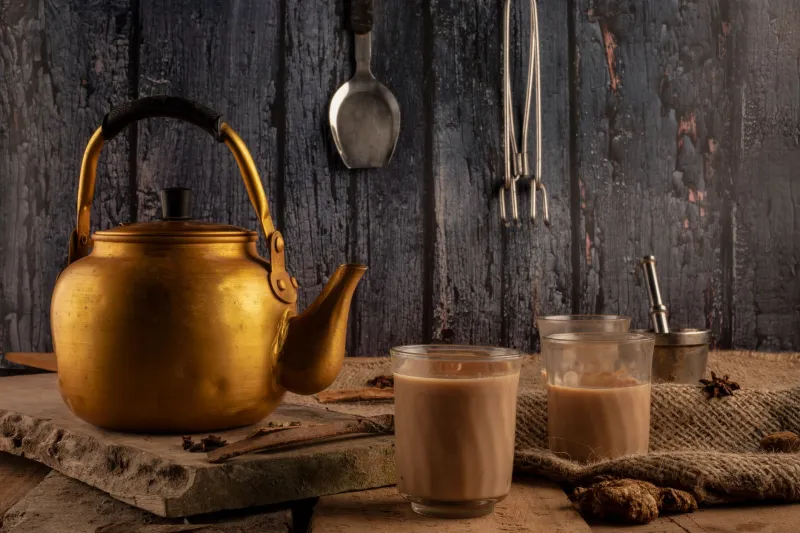
Chai — real chai, made with whole spices, quality tea, and a little patience — has become a meaningful presence in the way health-conscious Americans think about what they put in their bodies and how they start their days. To understand why, you have to look at what American wellness culture is actually hungry for right now.
The Burnout from Complicated Health
For the better part of the last decade, American wellness has been defined by complexity. Elimination diets. Supplement stacks with twenty ingredients. Biohacking protocols that require spreadsheets. Somewhere along the way, a lot of people got exhausted by the whole project.
"There's a real fatigue with wellness theater," says Dana Okafor, a registered dietitian based in Austin who works with clients navigating anxiety and digestive issues. "People come to me overwhelmed. They've been told to take seventeen supplements and track every macronutrient, and they just want something that feels nourishing without being complicated."
For many of Okafor's clients, chai has become exactly that. "It's warm, it's satisfying, it has real functional ingredients, and it's been part of human culture for a very long time. That history matters to people. It feels trustworthy in a way that a new powder with a science-y name doesn't."
The Spice Cabinet as Medicine Cabinet
The ingredients in a classic masala chai aren't just flavor — they carry centuries of use in Ayurvedic tradition, and a growing body of modern research has started to examine what those traditions understood intuitively.
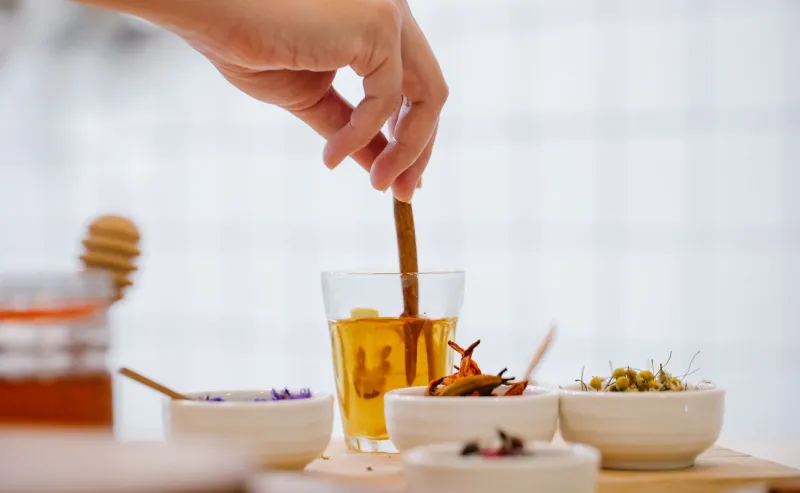
Ginger is among the most studied. Research has repeatedly linked it to reductions in nausea and improvements in digestive comfort. Cinnamon has been associated with blood sugar regulation in multiple clinical studies, though context and dosage matter. Cardamom contains antioxidants and has shown anti-inflammatory properties in preliminary research. Black pepper contains piperine, a compound that appears to enhance the bioavailability of other nutrients — which is part of why it shows up in so many supplement formulas.
None of this means chai is medicine. But it does mean that a daily cup of properly made masala chai is delivering a meaningful array of bioactive compounds that your body actually recognizes — not a synthesized extract in a capsule, but whole spices doing what they've always done.
"I'm not going to tell my clients chai cures anything," Okafor is quick to add. "But I will tell them that warming, spiced beverages made with whole ingredients are a genuinely positive addition to most people's routines. The ritual around it matters too."
The Ritual Is the Point
Ask almost anyone who has made chai a daily practice, and the conversation quickly moves from the ingredients to the act of making it. The ten to fifteen minutes of simmering on the stovetop. The smell that fills the kitchen. The deliberate pause before the first sip.
This is where chai intersects with something that American wellness culture has been circling around for years without always naming it clearly: the need for structured moments of deceleration.
"My chai practice is honestly the most consistent mindfulness thing in my life," says Marcus Reyes, a software engineer in Denver who started making masala chai during the pandemic and hasn't stopped. "I've tried meditation apps, journaling, all of it. But standing at the stove for fifteen minutes, paying attention to what's in the pot — that actually works for me. It's tactile. It's sensory. It's real."
Wellness coaches and therapists working with stress and burnout have started to recognize this pattern in their clients. The beverage ritual as a grounding mechanism isn't unique to chai — tea culture broadly has always carried this quality — but chai's longer preparation time and more complex sensory experience seem to amplify the effect.
Community as Wellness
One dimension of chai's wellness appeal that doesn't get discussed enough is its fundamentally social nature. In South Asian cultures, chai is rarely a solitary experience. It's the drink you make when someone comes to visit, the thing that signals the conversation is about to get good, the reason to slow down together.
As American wellness culture has gradually recognized that community and connection are legitimate health factors — not soft add-ons, but documented influences on mental and physical wellbeing — chai's social architecture has started to look less like a cultural detail and more like a feature.
Chai circles — informal gatherings organized around shared brewing and conversation — have been popping up in cities including Seattle, Atlanta, and Philadelphia. Some are organized by South Asian cultural organizations; others have been started by wellness practitioners looking for alternatives to the usual workshop format.
"There's something about making and sharing chai together that breaks down walls pretty fast," says Priya Anand, a wellness coach in Seattle who runs monthly chai circles for her clients. "You're doing something with your hands, the room smells incredible, and suddenly people are talking about real things. It's a much better container for community than most things I've tried."
What This Isn't
It's worth being honest about what the wellness framing of chai can get wrong. The trend has attracted its share of questionable products — sugary "chai lattes" from fast food chains marketed as health beverages, expensive supplements repackaging the same spices that cost pennies in bulk, and wellness influencers making claims that go well beyond what the evidence supports.
Real chai's wellness value is genuine but modest. It's not a cure. It's not a hack. It's a warm, spiced, slightly caffeinated beverage with a rich cultural heritage and a set of ingredients that have earned their place in human diets over thousands of years. That's actually enough — more than enough, for most people.
The Americans who seem to be getting the most out of their chai practice are the ones who aren't treating it as a supplement or a superfood. They're treating it as a ritual, a pleasure, and a small daily act of intention. Which, when you think about it, might be the most honest definition of wellness there is.