One Country, A Thousand Cups: How India's Regional Chai Styles Can Transform Your Home Brew
Here's a scenario that might sound familiar. You follow a chai recipe to the letter — cardamom, cinnamon, ginger, black tea, a splash of milk — and the result is perfectly fine. Warm, spiced, comforting. But then you visit a friend whose family is from Pune, or you stumble across a tiny Indian grocery in your city where someone's grandmother is making chai in the back, and suddenly your version tastes like a rough draft.
That gap isn't about technique. It's about geography.
India is a country of more than a billion people spread across wildly different climates, agricultural traditions, and culinary histories. The idea that "chai" means one single thing — a generic blend of warming spices steeped in milky black tea — is largely a Western simplification. In reality, what people drink in Mumbai bears almost no resemblance to what's poured in Chennai, and neither of those cups looks much like what you'd find in Kolkata or Amritsar. If you've been relying on a single "chai spice blend" from your grocery store, you've essentially been cooking all Italian food with the same jar of "Italian seasoning." It works, but you're leaving a lot on the table.
Let's fix that.
Why Regional Differences Run So Deep
The short answer is: spices grow where they grow. Southern India — particularly Kerala and Tamil Nadu — sits at the heart of the subcontinent's spice trade. Cardamom, black pepper, and fresh ginger are abundant, cheap, and deeply embedded in local cooking. It makes sense that South Indian chai leans heavily on these flavors, often skipping cinnamon and clove altogether in favor of a sharper, more peppery cup.
Move north and the climate shifts. In the Punjab and Himachal Pradesh, winters are brutal, and chai becomes a vehicle for warming the body from the inside out. Ginger is used aggressively. Cardamom stays present, but the overall profile is bolder and less delicate.
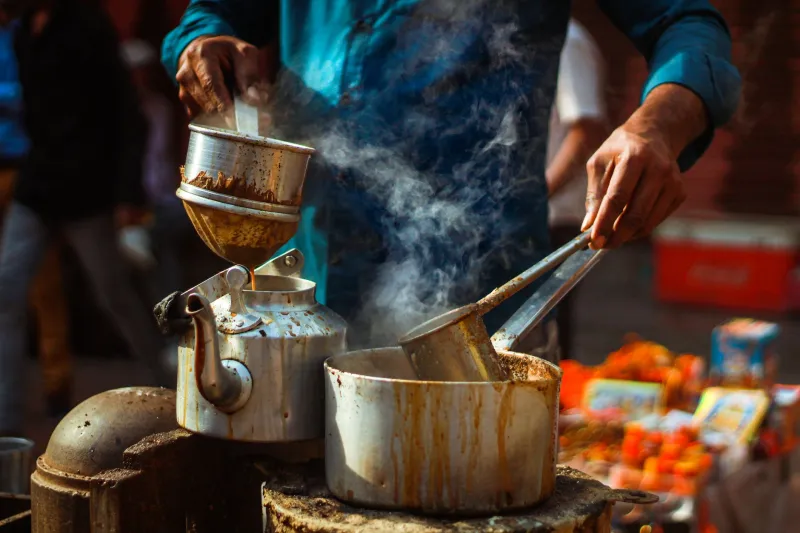
In Maharashtra — the state that contains Mumbai — chai culture is almost its own religion. The iconic "cutting chai" served at street stalls is strong, sweet, and intensely milky, brewed in small batches and poured in half-glasses so it cools quickly and you can get back to your day. Spicing is moderate; the emphasis is on the tea itself and the ratio of milk to water.
Meanwhile, in West Bengal, particularly Kolkata, you'll find a more tea-forward style — sometimes closer to a strong British-influenced brew with milk added after steeping, rather than the simmered-together method common elsewhere.
None of these is the "right" way. They're just different answers to the same question.
Breaking Down the Regional Profiles
Maharashtrian / Mumbai Street Style This is the chai most Americans encounter first through Indian restaurants, and it's the closest thing to a national "default." Strong Assam or CTC tea (CTC stands for crush-tear-curl — the processing method that creates those small, fast-brewing pellets), simmered with whole milk, sugar, and a measured hit of cardamom and ginger. The milk-to-water ratio skews high, often 1:1 or even more milk-heavy. To recreate this at home, use a strong CTC Assam tea (widely available online), go heavier on the milk than you think you need, and keep the spice profile simple. The tea should carry the cup, not the spice rack.
South Indian Chai (Kerala / Tamil Nadu style) Forget the cinnamon. This version is built on a backbone of crushed black pepper and fresh ginger, with green cardamom playing a supporting role. Some versions use a local tea called "dust tea" — an even finer grind than CTC — which brews intensely fast and creates an almost espresso-like concentration before the milk goes in. The result is bright, sharp, and a little bracing. To approximate this in a US kitchen, source a fine-ground South Indian tea dust (look for it in South Asian grocery stores or online), use fresh ginger rather than dried, and add a generous crack of black pepper right before serving.
Punjabi / North Indian Masala Chai This is where the spice complexity cranks up. Clove, cinnamon, fennel, and sometimes dried rose petals or saffron join the ginger and cardamom party. The brew is often simmered longer, almost aggressively, until the color is a deep amber-brown. Sweetness is generous. This is the style that probably inspired most American "masala chai" blends, though those blends tend to be tamer versions. At home, toast your whole spices briefly in a dry pan before cracking them — it makes a noticeable difference in depth.
Kolkata / Bengali Style Lighter on the spice, heavier on the tea quality. Many Bengali households use a specific Darjeeling or Assam loose-leaf rather than CTC, and the brewing method sometimes involves steeping separately and adding milk to the cup rather than simmering everything together. The result is a cleaner, more tea-forward cup that lets the natural character of the leaf come through. If you've been curious about single-origin teas, this style is a great entry point.
Practical Steps for American Home Brewers
You don't need to import anything exotic to start exploring these regional styles. Here's a realistic approach:
Start with the tea, not the spices. The single biggest variable most American chai drinkers overlook is the tea base itself. Swapping your generic grocery-store black tea for a CTC Assam or a South Indian tea dust will immediately change your cup more than any spice adjustment.
Buy spices separately. Pre-mixed chai spice blends are convenient but inflexible. Buying cardamom, ginger, black pepper, cinnamon, and clove individually lets you adjust ratios to match the regional style you're exploring. Most of these are easy to find at any grocery store; for more specific items like fennel seeds or dried rose petals, check your local South Asian grocery or order online.
Adjust your milk ratio intentionally. Mumbai-style means more milk. South Indian style often means less. This single variable changes the mouthfeel and sweetness of your cup dramatically.
Take notes. This sounds fussy, but even a quick note on your phone — "more ginger, less cinnamon, tried Assam CTC" — helps you build toward the cup you actually want rather than starting from scratch every time.
The Bigger Point
Chai, at its core, is a living tradition. It's been shaped by soil, climate, trade routes, colonial history, and the personal preferences of millions of families over generations. The "chai spice blend" sitting in your pantry is a starting point, not a destination.
The most exciting thing about exploring India's regional styles isn't that you'll eventually land on one perfect recipe. It's that you'll realize there's no such thing. There's just the cup you're making today, and the one you'll make differently tomorrow.
That's the whole point of being a chai master — you never really stop learning how to make it.