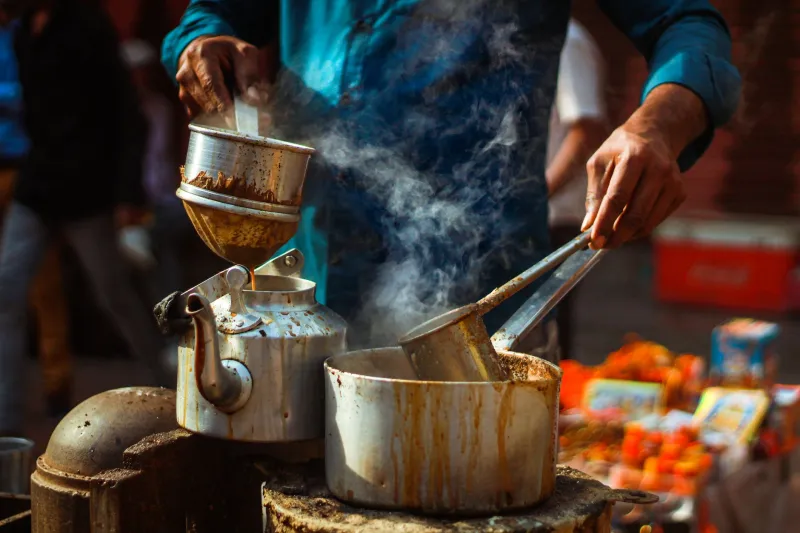
From the First Sip: How Chai Quietly Rewired the Way These Americans Live
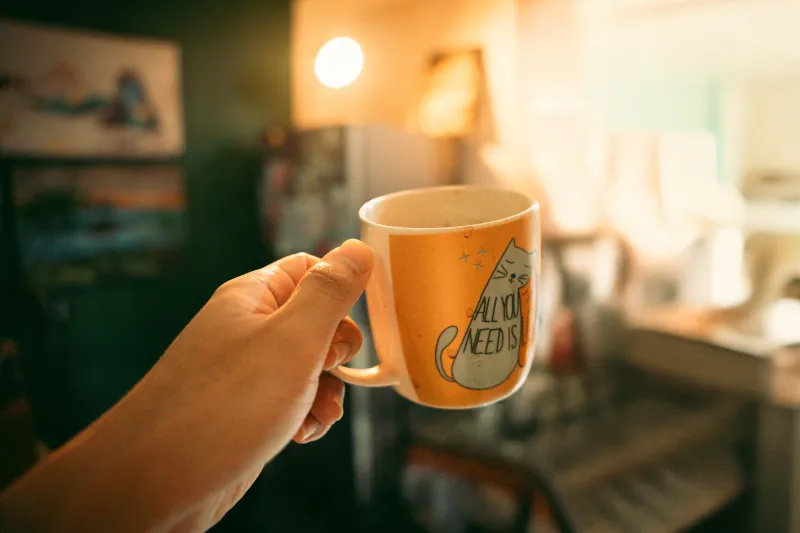
Nobody plans to fall in love with chai. It just happens — usually somewhere inconvenient, like a friend's kitchen on a Tuesday morning, or a farmers market stall you almost walked past. One cup lands differently than expected, and something quietly shifts. For a surprising number of Americans, that single moment of discovery turned out to be the opening chapter of a much longer story.
We reached out to chai converts across the country — from Seattle to Nashville, from a suburban New Jersey mom to a college student in Austin — and what we found wasn't just enthusiasm for a beverage. It was something closer to a life reorganization, one spiced cup at a time.
The Accidental Beginning
Jamila, a 34-year-old occupational therapist from Atlanta, describes her first real chai encounter with the kind of specificity usually reserved for first dates. "My coworker Priya made a batch from scratch one afternoon in the break room," she says. "I smelled it before I saw it — cardamom and ginger and something almost peppery. I assumed it was going to be too intense. It wasn't. It was the most grounding thing I'd ever tasted."
That was three years ago. Today, Jamila brews a pot of masala chai every morning before her kids wake up. She's learned to source whole cardamom pods, keeps a small spice grinder on her counter specifically for chai, and has started experimenting with different black tea bases. "It's become my anchor," she says. "Before, I'd chug a cold brew on the way out the door and call it breakfast. Now I actually sit down for fifteen minutes."
This kind of story — chai as an unexpected gateway to slowness — came up again and again in our conversations.
When a Drink Becomes a Practice
Marcus, a 41-year-old project manager in Minneapolis, spent most of his adult life treating beverages as fuel. Coffee was functional. Soda was a habit. Then a business trip took him to a tea shop in Portland where the owner spent twenty minutes explaining the difference between a Darjeeling-based chai and one built on Assam. "I felt like I'd been handed a key to a room I didn't know existed," he says.
What followed was gradual but deliberate. Marcus started reading about Ayurvedic spice traditions. He ordered loose-leaf teas online, kept a small notebook tracking which blends he preferred at different times of day. His evening chai ritual — a lower-caffeine version with more cinnamon and less ginger — replaced the glass of wine he used to pour on autopilot after work.
"I'm not saying chai cured anything," Marcus is quick to clarify. "But the act of making it forces me to be present for about ten minutes. And those ten minutes changed the whole shape of my evening."
There's something worth paying attention to in that framing. The ritual of chai — the measuring, the simmering, the waiting — creates a natural pause that few other beverages demand. It's not instant. It's not passive. You have to show up for it.
The Wellness Ripple Effect
For some, the chai gateway opened into broader wellness curiosity. Daniela, a 29-year-old graphic designer in Denver, started drinking chai as a caffeine step-down after her doctor flagged anxiety-related sleep issues. "My nutritionist suggested I try cutting back on coffee and introduced me to a ginger-heavy chai blend. I thought I was just swapping one drink for another."
Instead, she found herself researching the properties of each spice. She learned that ginger has been studied for its anti-inflammatory effects, that cinnamon may help support blood sugar stability, that black pepper activates the bioavailability of other compounds. "Suddenly I was reading about adaptogens, trying ashwagandha chai blends, paying attention to how different spices made me feel at different points in my cycle. Chai was the doorway into actually caring about what I put in my body."
She's careful not to overstate it. "I'm not claiming chai is medicine," Daniela says. "But it made me curious in a way that nothing else had. That curiosity led me somewhere good."
Building Community Around the Cup
Not every transformation story is a solo journey. For Kevin and Rosa, a couple in San Antonio, chai became a shared project that brought them closer together during a difficult stretch in their marriage.
"We were both really stressed, really disconnected," Rosa explains. "Kevin had been to India for work and came back obsessed with the chai he'd had at a roadside stall. He wanted to recreate it. So we started doing it together on Sunday mornings — trying different recipes, arguing about whether to use whole milk or oat milk."
The Sunday chai ritual became something they protected. It turned into a weekly experiment, then a standing invitation to friends. Now their kitchen sees a rotating cast of neighbors on Sunday mornings, everyone contributing a different ingredient or technique. "We built a little community around it without even trying," Kevin says.
That kind of organic community-building tracks with something broader happening in American food culture. Shared rituals — especially ones tied to making something by hand — tend to pull people together in ways that ordering delivery simply doesn't.
What These Stories Are Really About
It would be easy to frame all of this as chai evangelism — and sure, every person we spoke to is genuinely enthusiastic about their cup. But the more honest read is that chai arrived in these people's lives at a moment when they were ready for something different, and it happened to be the right kind of different.
Slow enough to demand presence. Complex enough to inspire curiosity. Warm enough to feel like comfort. Rooted in centuries of tradition, but endlessly adaptable to a life being lived in Denver or Atlanta or Minneapolis right now.
Jamila put it best, laughing a little as she said it: "I didn't go looking for a ritual. I was just cold and someone handed me a cup. But here we are."
Here we are, indeed. If you've had your own version of that first cup — the one that made you stop and pay attention — you already know exactly what she means. And if you haven't yet? Well. The kettle's on.