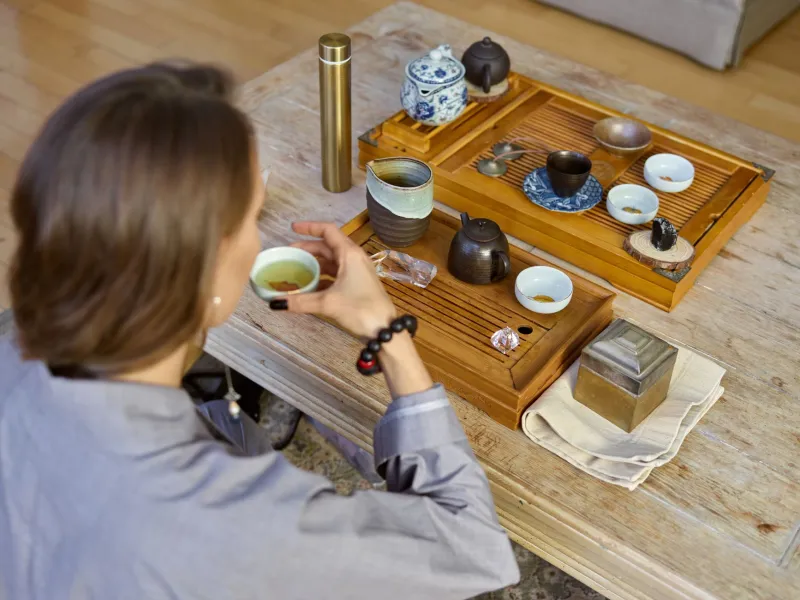
The Case for Swapping Your Office Coffee Bar for a Chai Station
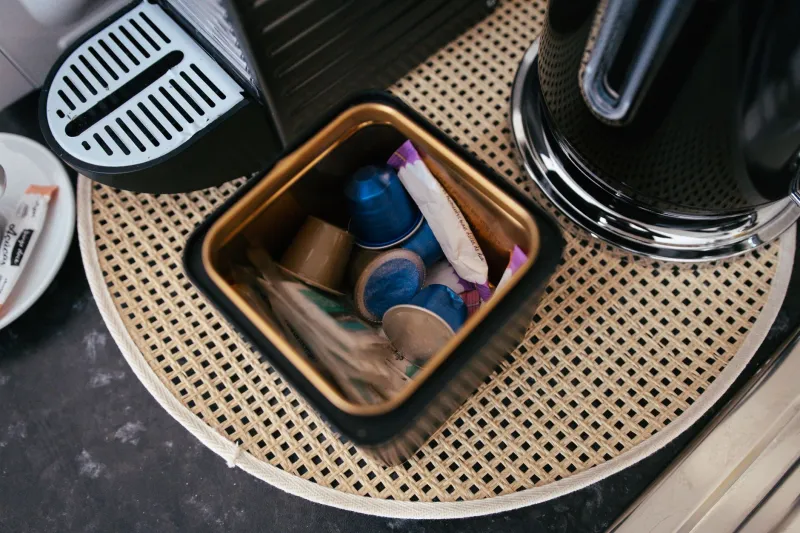
Walk into most American offices and the coffee station is practically sacred ground. The drip machine hums before 8 AM, the single-serve pods stack up by the hundreds, and the unspoken rule is that the coffee must flow. But something is shifting. Slowly, quietly, and with a lot more cardamom than HR expected, chai and tea stations are starting to claim their own corner of the breakroom — and the case for them is stronger than you might think.
Why Coffee Culture Has a Ceiling
Coffee has done a lot for American workplace culture. It's a ritual, a social lubricant, and a productivity tool all in one. Nobody's arguing against that. But it also comes with some real limitations that a lot of employees are starting to feel.
High-caffeine coffee consumption is directly linked to elevated cortisol levels, afternoon energy crashes, and disrupted sleep — all of which compound over a workweek. The Society for Human Resource Management has noted rising interest in workplace wellness programs that address stress and burnout, and what employees are drinking throughout the day is increasingly part of that conversation.
Chai, particularly when prepared with black tea as its base, delivers caffeine at a more moderate level than most drip coffee — typically around 50 to 70 milligrams per cup versus 95 to 200 milligrams in a standard coffee serving. The spice components in a traditional masala chai blend — ginger, cinnamon, cardamom, and black pepper — also bring their own functional benefits, from digestive support to anti-inflammatory properties. It's not a cure-all, but it's a meaningfully different relationship with your afternoon cup.
What Wellness Coordinators Are Actually Seeing
Companies that have introduced dedicated tea and chai stations as part of broader wellness initiatives report some consistent themes. Employees who were previously high-volume coffee drinkers often gravitate toward chai as a mid-morning or afternoon alternative — not as a replacement for their morning coffee, but as a way to extend their focus without the spike-and-crash cycle.
The social dynamic around a chai station is also notably different from a coffee bar. Because chai — especially when brewed fresh with whole spices or quality blends — takes a bit more time and attention than pressing a pod button, it naturally creates a slightly longer pause. People tend to linger. They talk. That "chai break" becomes a genuine moment of decompression rather than a quick caffeine reload before running back to a screen.
Workplace wellness coordinators at companies that have experimented with this shift describe it in terms of psychological framing: a coffee break often feels like a pit stop, while a chai break feels more like a reset. That distinction, subtle as it sounds, has measurable effects on how employees return to their work.
The Cost Argument (It's Better Than You'd Expect)
Here's where the conversation often gets interesting in budget meetings. Premium coffee service — especially when it includes high-end single-serve machines, specialty pods, and barista-grade equipment — is not cheap. A fully stocked single-serve coffee setup for a mid-sized office can run several hundred dollars a month in supplies alone, not counting equipment maintenance.
A chai and tea station, by contrast, is remarkably cost-effective. A high-quality loose-leaf chai blend costs a fraction of what specialty coffee pods do per serving. A simple electric kettle, a few good infusers or a small French press for communal brewing, and a rotating selection of three to five quality blends can serve an entire office for a fraction of the cost of maintaining a comparable coffee setup.
The upfront investment is minimal. The ongoing cost is low. And the variety you can offer — from classic masala chai to lighter cardamom blends to caffeine-free herbal options — is actually broader than what most office coffee setups provide.
How to Propose This at Your Own Office
If you're reading this and thinking about how to make the pitch to your manager or HR team, here's a practical framework that tends to land well.
Start with a pilot, not an overhaul. Nobody wants to feel like their coffee is being taken away. Propose a chai station as an addition — a dedicated corner of the breakroom with its own setup — rather than a replacement. Position it as expanding the options available to employees, not reducing them.
Lead with wellness language. Frame the proposal around employee wellbeing, stress reduction, and afternoon productivity rather than leading with cost savings. HR teams and wellness coordinators respond to that framing because it aligns with their existing goals. The cost savings become a supporting argument, not the headline.
Offer a one-month trial. A short, low-commitment pilot period removes the risk from the decision. Propose to track informal feedback — a simple survey at the end of the month asking employees how they feel about the addition — and let the data make the case for you.
Stock it thoughtfully. A chai station that just has a box of grocery store tea bags isn't going to impress anyone. Invest in two or three quality blends that represent real variety: a classic masala, something lighter and floral, and a caffeine-free option for afternoon or for employees who are sensitive to caffeine. Include a small selection of milk options — including at least one non-dairy alternative — and a simple card explaining each blend. That level of care signals that this is a real offering, not an afterthought.
The Bigger Picture
Office culture in the US is in the middle of a genuine shift. Companies are thinking harder about how the physical environment affects employee wellbeing, and the breakroom — long treated as an afterthought — is getting a second look. A chai station won't solve burnout or fix a toxic management culture. But it can be a small, meaningful signal that the company cares about the quality of its employees' day, not just the quantity of their output.
And honestly? A good cup of chai in the middle of a long afternoon is just a better experience than a stale pod of burnt coffee. Sometimes that's reason enough.